How to Start a Cow Manure Compost Business in 2026

As global demand for organic food continues to rise, organic fertilizer production has become a promising business opportunity. For livestock farms and entrepreneurs, cow manure is no longer considered waste but a valuable resource that can be converted into high-quality compost. Starting a cow manure compost business in 2026 can generate additional revenue while helping solve environmental challenges associated with livestock farming.
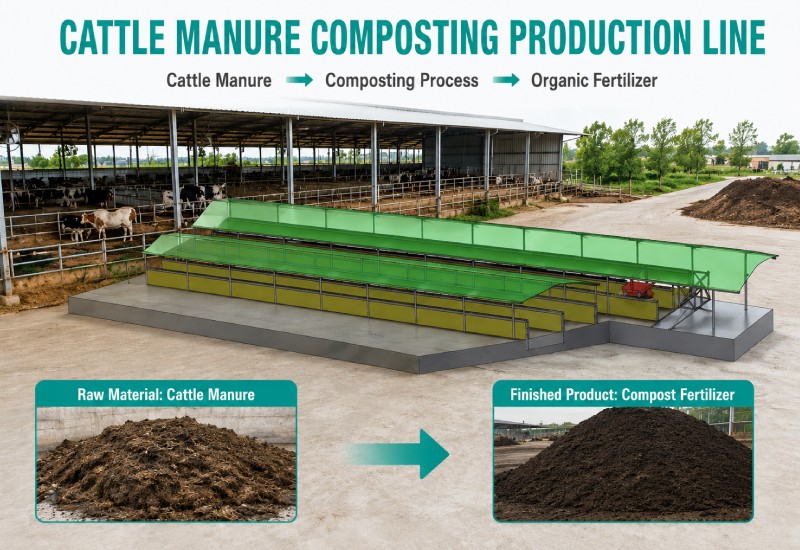
cow dung composting solution

Understand the Market Demand

Before investing in equipment and facilities, it is important to evaluate the local market for organic fertilizer. Farmers, greenhouses, fruit growers, and landscaping companies are increasingly looking for sustainable soil amendments. Researching customer demand, fertilizer prices, and local regulations will help you build a profitable business plan.

Many successful producers begin with a reliable cow dung compost making solution that matches their available raw materials and production goals. A well-designed process can significantly improve efficiency and product quality.

Secure a Stable Supply of Raw Materials

The success of a compost business depends on a consistent supply of cow manure. Dairy farms, cattle ranches, and livestock operations can provide large quantities of organic waste throughout the year. In addition to manure, carbon-rich materials such as straw, sawdust, rice husks, or crop residues are often added to create the ideal composting conditions.

Proper raw material management helps maintain the correct moisture content and carbon-to-nitrogen ratio, both of which are essential for efficient fermentation.

Choose the Right Composting Technology

The composting method you select will affect production capacity, labor requirements, and investment costs. Small-scale operations may use windrow composting, while larger facilities often prefer an industrial cow dung composting solution to process higher volumes more efficiently.
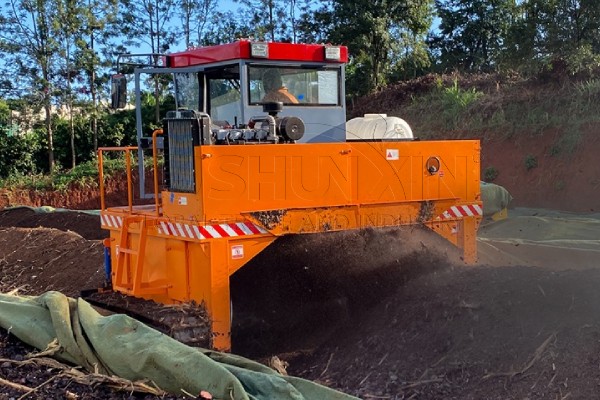
windrow composting of cow dung

Modern composting systems can shorten fermentation time, improve oxygen distribution, and reduce odor emissions. Selecting the right technology allows businesses to increase productivity while maintaining stable product quality.

Invest in Efficient Equipment

As labor costs continue to rise, automation has become increasingly important in fertilizer production. Many new compost plants now utilize automatic cow manure composting equipment to monitor temperature, aeration, and material mixing throughout the composting cycle.

Automated systems not only improve operational efficiency but also reduce human error. This enables producers to achieve consistent compost maturity and meet market standards more easily.

Build an Effective Waste Management Strategy

Environmental compliance is a key consideration for any manure processing business. Establishing a reliable cow dung waste management system can help reduce pollution risks while maximizing resource utilization.

A complete management strategy should include manure collection, moisture adjustment, composting, odor control, and finished product storage. Proper planning ensures smooth operations and supports long-term business growth.

Explore Opportunities in Emerging Markets

Developing countries are becoming important markets for organic fertilizer production. For example, commercial cow manure compost making in Kenya has attracted growing interest due to the country’s expanding agricultural sector and increasing focus on sustainable farming practices.

Entrepreneurs who identify emerging market opportunities may gain a competitive advantage and establish profitable fertilizer production businesses in the coming years.

Conclusion

Starting a cow manure compost business in 2026 offers both environmental and economic benefits. By securing raw materials, selecting appropriate composting technology, investing in efficient equipment, and developing a sustainable management strategy, businesses can transform livestock waste into a valuable organic fertilizer product. With the global shift toward sustainable agriculture, now is an excellent time to enter this growing industry.

How To Start Organic Fertilizer Production Business

Starting an organic fertilizer production business can be a rewarding venture that contributes to sustainable agriculture and environmental conservation. Here’s a step-by-step guide to help you get started:

  1. Research and Planning:

Market Research: Conduct thorough research to understand the demand for organic fertilizers in your target market. Identify potential customers, competitors, and trends in organic farming.

Business Plan: Create a comprehensive organic fertilizer making business plan outlining your business goals, target market, products, production process, marketing strategy, financial projections, and operational details.

Organic fertilizer making plant setup
  1. Legal and Regulatory Requirements:

Business Registration: Choose a suitable business structure (sole proprietorship, partnership, limited liability company, etc.) and register your business with the appropriate government authorities.

Permits and Licenses: Obtain the necessary permits and licenses for manufacturing, waste management, environmental compliance, and any other legal requirements in your locality. These are necessary for you to setup an organic fertilizer plant.

  1. Location and Infrastructure:

Site Selection: Choose a suitable location for your organic fertilizer production plant, considering factors like proximity to raw materials, transportation, and market access.

Infrastructure: Set up the necessary infrastructure, including production area, storage facilities, office space, utilities, and waste management systems.

  1. Raw Materials and Suppliers:

Sourcing Raw Materials: Identify reliable suppliers of organic materials such as animal manure, crop residues, kitchen waste, and other organic matter suitable for composting.

Quality Control: Ensure that the raw materials meet quality standards and are free from contaminants that could affect the final product.

  1. Production Process:

Composting: Choose a composting method (windrow, fermentation groove, in-vessel, etc.) based on your scale of operation. Compost the organic materials to produce high-quality fertilizer compost.

Mixing and Blending: If producing blended fertilizers, mix the organic fertilizer with other nutrients (N, P, K) and micronutrients to achieve desired nutrient ratios.

Pelletizing or Granulating: Depending on your business plan, pelletize or granulate the composted material to create organic fertilizer pellets or granules. This will bring you more profits. Here, SX can provide you suitable granulator for organic fertilizer processing.

Organic fertilizer making line 3D diagram
  1. Equipment and Machinery:

Select Equipment: Purchase or lease the necessary equipment, such as compost turners, pellet mills, mixers, and packaging machinery, based on your production scale and product range. Click here to learn more.

Training: Ensure your team is trained to operate the equipment safely and efficiently.

  1. Quality Control:

Testing: Regularly test the organic fertilizer for nutrient content, moisture level, and other quality parameters to ensure consistency and effectiveness.

Quality Assurance: Implement quality control measures to maintain product quality and safety.

  1. Marketing and Sales:

Branding and Packaging: Develop an attractive brand and packaging design that communicates the benefits of your organic fertilizer.

Sales Channels: Identify and establish sales channels such as agricultural supply stores, nurseries, farmers’ markets, online platforms, and direct sales to farmers.

Promotion: Use marketing strategies like social media, trade shows, workshops, and demonstrations to promote your organic fertilizer products.

  1. Financial Management:

Budgeting: Prepare a detailed budget that includes startup costs, operating expenses, raw material procurement, production, marketing, and sales projections.

Funding: Determine your funding sources, whether through personal savings, loans, grants, or investors.

  1. Sustainability and Growth:

Environmental Practices: Incorporate sustainable and eco-friendly practices into your production process, waste management, and packaging.

Continuous Improvement: Continuously monitor and evaluate your processes, products, and customer feedback to identify areas for improvement and growth.

If you want to get more information about starting an organic fertilizer production business, you can visit https://organicfertilizerproductionline.com/organic-fertilizer-business-plan/