How to Start a Cow Manure Compost Business in 2026

As global demand for organic food continues to rise, organic fertilizer production has become a promising business opportunity. For livestock farms and entrepreneurs, cow manure is no longer considered waste but a valuable resource that can be converted into high-quality compost. Starting a cow manure compost business in 2026 can generate additional revenue while helping solve environmental challenges associated with livestock farming.
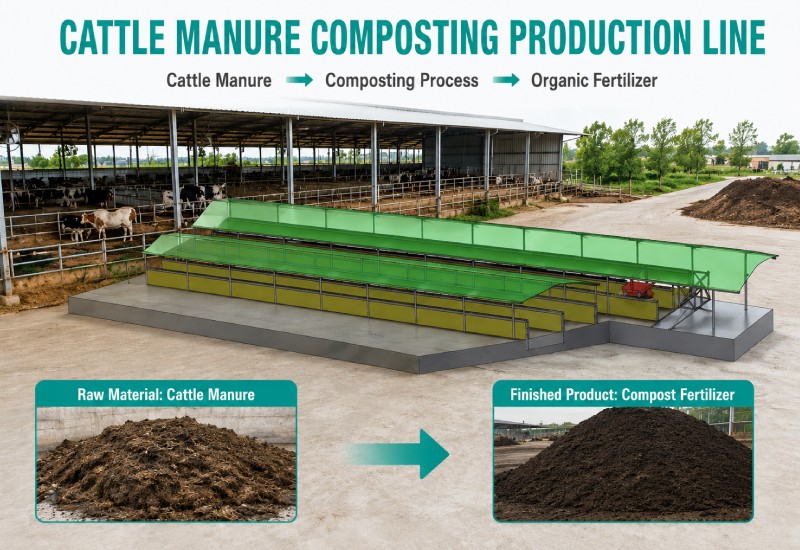
cow dung composting solution

Understand the Market Demand

Before investing in equipment and facilities, it is important to evaluate the local market for organic fertilizer. Farmers, greenhouses, fruit growers, and landscaping companies are increasingly looking for sustainable soil amendments. Researching customer demand, fertilizer prices, and local regulations will help you build a profitable business plan.

Many successful producers begin with a reliable cow dung compost making solution that matches their available raw materials and production goals. A well-designed process can significantly improve efficiency and product quality.

Secure a Stable Supply of Raw Materials

The success of a compost business depends on a consistent supply of cow manure. Dairy farms, cattle ranches, and livestock operations can provide large quantities of organic waste throughout the year. In addition to manure, carbon-rich materials such as straw, sawdust, rice husks, or crop residues are often added to create the ideal composting conditions.

Proper raw material management helps maintain the correct moisture content and carbon-to-nitrogen ratio, both of which are essential for efficient fermentation.

Choose the Right Composting Technology

The composting method you select will affect production capacity, labor requirements, and investment costs. Small-scale operations may use windrow composting, while larger facilities often prefer an industrial cow dung composting solution to process higher volumes more efficiently.
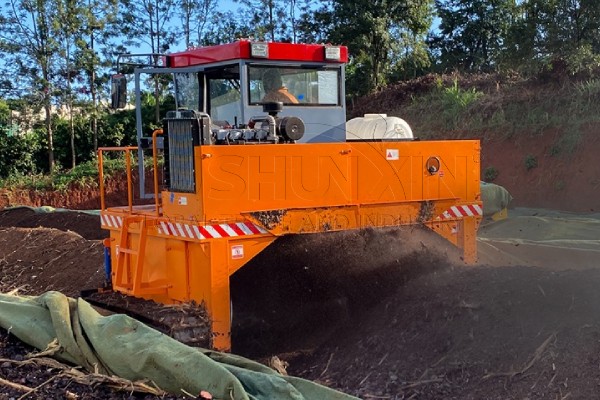
windrow composting of cow dung

Modern composting systems can shorten fermentation time, improve oxygen distribution, and reduce odor emissions. Selecting the right technology allows businesses to increase productivity while maintaining stable product quality.

Invest in Efficient Equipment

As labor costs continue to rise, automation has become increasingly important in fertilizer production. Many new compost plants now utilize automatic cow manure composting equipment to monitor temperature, aeration, and material mixing throughout the composting cycle.

Automated systems not only improve operational efficiency but also reduce human error. This enables producers to achieve consistent compost maturity and meet market standards more easily.

Build an Effective Waste Management Strategy

Environmental compliance is a key consideration for any manure processing business. Establishing a reliable cow dung waste management system can help reduce pollution risks while maximizing resource utilization.

A complete management strategy should include manure collection, moisture adjustment, composting, odor control, and finished product storage. Proper planning ensures smooth operations and supports long-term business growth.

Explore Opportunities in Emerging Markets

Developing countries are becoming important markets for organic fertilizer production. For example, commercial cow manure compost making in Kenya has attracted growing interest due to the country’s expanding agricultural sector and increasing focus on sustainable farming practices.

Entrepreneurs who identify emerging market opportunities may gain a competitive advantage and establish profitable fertilizer production businesses in the coming years.

Conclusion

Starting a cow manure compost business in 2026 offers both environmental and economic benefits. By securing raw materials, selecting appropriate composting technology, investing in efficient equipment, and developing a sustainable management strategy, businesses can transform livestock waste into a valuable organic fertilizer product. With the global shift toward sustainable agriculture, now is an excellent time to enter this growing industry.
Cow Dung Powder Making Machine Price: A 2025 Guide

With the rise in demand for organic fertilizers, many farmers and compost producers are investing in cow dung powder making systems to process raw manure into fine, nutrient-rich fertilizer. A complete system includes not just a single machine but a combination of equipment for drying, crushing, screening, and sometimes packaging. Understanding the price of a full cow dung powder making system is essential for proper planning and investment.

Price Range of Cow Dung Powder Making System

In 2025, the cost of a cow dung powder fertilizer line generally falls into the following ranges based on scale:

  • Small-scale systems (0.5–2 tons/hour):
    $1,000 – $30,000
    These setups are ideal for small farms or home-based composting businesses. They usually include a small-scale dewatering machine, semi-wet crusher, and simple screening unit.
  • Medium-scale systems (2–5 tons/hour):
    $30,000 – $60,000
    These systems are suitable for commercial powder organic fertilizer operations. They often include automatic dewatering equipment, efficient vertical crushers, rotary screeners, and optional belt conveyors for better material handling.
  • Large-scale systems (5–10+ tons/hour):
    $6,000 – $90,000
    These industrial systems offer high automation and throughput, with features like heavy-duty compost turners, advanced moisture control, dust collectors, and integrated control panels.

Learn more.

Breakdown of Key Equipment and Their Prices

1. Dewatering Machine (Solid-liquid Separator):
$2,500 –$8,000 – Removes excess moisture from fresh cow dung to reduce drying time.

2. Cow Dung Crusher (Semi-wet or Vertical Type):
$3,500 – $16,000 – Grinds partially dried cow dung into fine powder.

3. Rotary Screener or Vibrating Sieve:
$3,000 – $10,000 – Ensures uniform powder size and removes impurities.

4. Conveyors & Feed Hoppers (optional):**
$3,000 – $8,000 – For efficient material transport and reduced manual labor.

5. Dust Collector or Cyclone (optional):
$3,000 –$6,000 – Minimizes dust pollution and keeps the plant environment clean.

Get it on https://www.fertilizerbusinessplan.com/cow-dung-powder-making-machine/

Factors That Influence the System Price

Automation level: Higher automation means higher cost but lower labor.
Materials & build quality: Stainless steel systems are more expensive but resist corrosion.
Brand & origin: Chinese systems are cost-effective, while European ones offer advanced engineering.

Conclusion

Investing in a cow dung powder making system offers great potential for profit and sustainability. Whether you’re starting small or scaling up, you can expect to spend between $1,000 and $90,000, depending on your processing volume and desired automation level. Always seek supplier support, on-site installation guidance, and spare parts availability before buying.

Dry vs. Wet Granulation in Cow Manure Fertilizer Production: Which Is Better

In the evolving world of agriculture, the demand for organic fertilizers is surging, driven by the need for sustainable farming practices and healthier food production. Cow manure, rich in essential nutrients, is a prime candidate for organic fertilizer production. Two prominent methods in granulating cow manure are dry and wet granulation. Both have their advantages and challenges, leaving producers to weigh their options carefully.

Dry Granulation of cow manure fertilizer

Dry granulation involves compressing cow manure powder into granules without using a liquid binder. This method is often favored for its simplicity and cost efficiency. The process begins by drying the cow manure to a suitable moisture level. It is then compacted into a solid form, often using a roll press or slugging process, followed by milling to achieve the desired granule size.

One of the primary advantages of cow manure fertilizer dry granulation is the reduced energy consumption due to the absence of a drying phase present in wet granulation. Additionally, it requires less equipment, translating into lower capital investment and maintenance costs. The process is also more straightforward and faster, making it suitable for smaller-scale operations or facilities with limited resources.

However, dry granulation can result in granules with lower mechanical strength, leading to issues during handling and transportation. The granules may be more prone to breakage, creating dust and potentially reducing the fertilizer’s effectiveness. Learn more.

Wet Granulation of cow dung fertilizer

Wet cow manure compost granulation, on the other hand, involves the addition of a liquid binder to cow manure powder, followed by drying. The process begins with mixing the manure with water or another binding solution like starch to form a wet mass, which is then forced through a sieve to form granules. These granules are subsequently dried to remove excess moisture, ensuring they maintain their shape and integrity.

The main advantage of wet granulation is the production of granules with superior mechanical strength. These granules are generally more uniform in size and less susceptible to breakage, improving handling and application efficiency. The binding process also allows for the incorporation of additional nutrients or beneficial microbes, enhancing the fertilizer’s value. Here, you can visit https://fertilizerequipmentmanufacturer.com/cow-dung-pellet-making-machine/

However, wet granulation is more resource-intensive. The requirement for drying increases energy consumption, and the need for additional equipment raises the initial investment and maintenance costs

How to Make Cow Dung Fertilizer

Cow dung is a valuable source of nutrients for soil, and its conversion into different types of fertilizers, such as powder, granules, liquid, and biofertilizer, is an important process in sustainable agriculture. The transformation of cow dung into these various forms involves a series of steps that require proper technology and equipment. Here’s a closer look at how to make cow dung fertilizer in different forms.

Powder Fertilizer Making Lines

To create powder fertilizer from cow dung, the first step is the collection and composting of the cow dung. After removing debris and extraneous materials, the cow dung is left to compost under the action of cow manure compost machines to reduce moisture content. Once composted, it is ground into a fine powder using a fertilizer crusher. The resulting powder can be directly applied to the soil or further processed into other fertilizer forms.

Granule Fertilizer Making Lines

For making granule fertilizer from cow dung, the cow dung powder undergoes a granulation process. The powder is mixed with other necessary nutrients and fed into a granulator machine. The cow manure fertilizer granulator could be a rotary drum granulator, an extrusion granulator, or a disc granulator, depending on the desired size and shape of the granules. The mixture is then shaped into granules, which are subsequently dried and cooled. Finally, a screening process ensures uniform granule size before packaging.

Liquid Fertilizer Making Lines

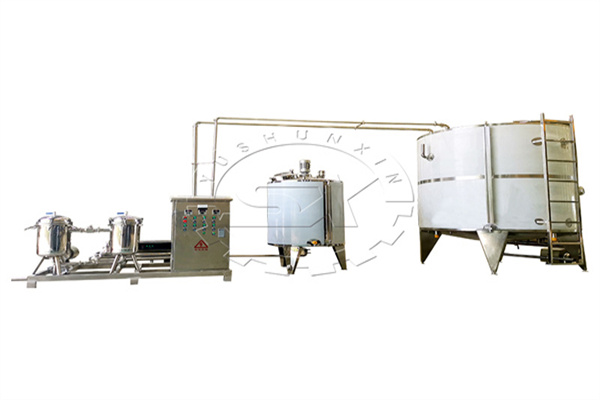
Liquid cow manure fertilizer making is starting from fermenting cow dung with water. This is done by filtering, UV sterilization, auxiliary materials batching, anaerobic fermentation and filling.Then, the liquid cow manure fertilizer can be applied to crops using a sprayer or irrigation system.

Liquid Fertilizer Production Process

Biofertilizer Making Lines

Biofertilizer is a type of fertilizer that contains living microorganisms which enhance soil fertility and plant growth. To produce biofertilizer from cow dung, the dung is mixed with a microbial culture solution containing beneficial bacteria or fungi. The mixture is allowed to ferment under controlled conditions in a bioreactor. Post-fermentation, the biofertilizer is stabilized and packaged, ready for application to the soil.

In all these processes, suitable equipment can help you finish the production of cow manure fertilizer quickly and easily. Go here for details.

The transformation of cow dung into various fertilizer forms not only addresses waste management concerns but also contributes to the organic fertilizer industry. By following the appropriate steps for each type of cow dung fertilizer, we can create valuable products that support healthy plant growth and soil restoration while minimizing environmental impacts. As farming practices continue to evolve, the importance of converting organic waste into valuable resources is more pronounced, and cow dung serves as a prime example of this sustainable approach. If you want to make cow manure into fertilizer, you can visit the page https://fertilizerequipmentmanufacturer.com/how-to-make-organic-fertilizer-from-cow-dung/