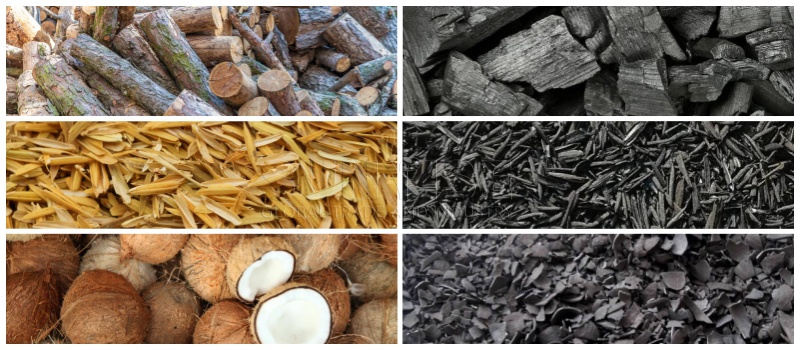
The processing of chicken manure and other bird dung into carbon-based fertilizer pellets creates stable, high-value products from difficult organic residues. However, the powder-to-pellet granulation procedure often faces many technical and operational challenges. The entire production process needs strict control over raw materials, moisture, fineness, carbonization conditions, powder handling and pelletizing machinery. When a plant tries to convert loose powdery poultry waste into strong, uniform carbon fertilizer granules, every step in the processing line influences final pellet quality, production efficiency and maintenance cost.
Raw materials and pretreatment: what difficulties appear before carbon-based fertilizer production?
The production of carbon-based fertilizer from chicken manure begins with raw material preparation, and this stage already creates several challenges. The poultry farmer or processor often collects mixed chicken dung containing bedding materials such as rice husks, sawdust, straw, or wood shavings. This bird manure mixture usually shows uneven moisture content, variable particle size and unpredictable nutrient levels. The carbon fertilizer production line therefore needs a clear strategy for classification, composting and carbonization.

In many projects, operators use composted chicken manure, semi-dried bird dung, poultry litter with rice husks, or chicken manure mixed with crop residues as typical raw materials for carbon fertilizer production. Some factories also combine powdered chicken manure biochar with other organic residues such as cattle manure, pig manure, mushroom residue or crop straw biochar. Each type of raw material brings different ash content, fixed carbon level and structural strength, so consistent pelletizing becomes difficult.
The pretreatment process often includes a compost machine for aerobic fermentation, a drying machine for moisture reduction and a crushing machine, for example a carbon fertilizer grinder machine for sale, to create fine, uniform powder. This powdery raw material sometimes creates dust problems, caking issues and feeding difficulties for subsequent granulating equipment. Therefore, the producer needs to manage moisture in the 20–35% range, adjust the ratio between chicken manure powder and carbonized material, and avoid both excessively wet sticky powder and too dry loose powder, which both disturb stable granulation and pellet making.
Carbonization and powder quality: how does the process influence later granulation?
The carbonization equipment, often a carbonization furnace, forms the core of carbon-based fertilizer production from poultry waste. During this stage, the operator converts dried chicken dung or composted bird manure into char-based material. This carbonization procedure requires proper temperature control, residence time management and feedstock size control. If the carbonization temperature rises excessively, the resulting chicken manure biochar becomes too brittle and creates ultra-fine powder that easily turns into dust during handling. If the temperature stays too low, the carbon-based fertilizer raw material retains too much volatile content, unpleasant odor and unstable structure.
Another challenge arises from the particle size after carbonization. Many furnaces produce irregular, lumpy carbon particles. The production line therefore needs a crushing machine to turn these chunks into fine carbon powder. The grinder machine must create a powder with suitable fineness for later pelletizing: overly coarse carbon particles weaken pellet strength, while extremely fine powder reduces permeability in the granulator and increases energy consumption. Because chicken manure char contains ash and mineral inclusions, the crusher also experiences higher wear, which increases maintenance requirements and production cost.
In addition, the mixture ratio between carbonized chicken dung powder and non-carbonized organic materials influences granulation behavior. The operator often prepares a blend of carbon powder, semi-composted chicken manure, mineral additives and sometimes binders. The resulting powder mixture must maintain good flowability and moderate cohesiveness. Poorly mixed powder or segregated particles cause non-uniform carbon-based fertilizer pellets, variation in nutrient distribution and different mechanical strengths across one batch of pellets.
Pelletizing, machine selection and process control: why does powdered chicken manure challenge granulation?
The granulation stage introduces another series of difficulties, because powdered chicken manure and carbon powder behave differently from typical inorganic fertilizer raw materials. This powder often presents low bulk density, high water absorption and variable stickiness. As a result, many granulator designs experience blockages, low pelletizing rate or inconsistent pellet size when they process chicken manure powder or powdered carbon-based fertilizer mixtures.
Disc granulators often handle powdery organic and carbon fertilizer materials, but this pelletizing machine requires a narrow moisture window and stable powder feeding. If the carbon-based chicken manure powder becomes too wet, large balls, over-size granules and equipment sticking appear. If the powder becomes too dry, the disc granulator fails to form pellets and only rotates loose particles. Flat die granulators for char-based fertilizer handle some drier powders, but they demand sufficient binder or residual organic moisture to compress the powder into durable pellets. Double roller extrusion granulators, drum granulators or new type organic fertilizer granulators each show specific advantages and limitations for carbon fertilizer pellet making, but all of them need correct formulation, fineness control and feeding uniformity.
Powdered bird manure sometimes contains fibrous materials from bedding, feathers or crop residues. These fibers interfere with uniform granulation, especially in roller-type granulators and die-hole pelletizers. Therefore the production line often includes a fine crushing or screening step before pelletizing to remove over-length fibers. The operator also needs to manage temperature rise inside the pelletizer, because friction between powder and granulating machinery generates heat. Excessive temperature may change the properties of organic carbon-based fertilizer ingredients and influence pellet strength.
Downstream of granulation, the plant usually operates a drying machine and cooling equipment to stabilize the carbon fertilizer granules. Powder residue from crushed pellets, broken particles or screening returns to the front of the pelletizing section. This recycling loop changes the powder characteristics over time and creates a balance problem between fresh chicken manure powder and recycled fine powder. As a result, granulation parameter adjustment, rotational speed setting and spraying water rate often require continuous optimization in a real carbon fertilizer production process.

Overall cost control and integrated equipment selection: how can a producer manage these challenges?
The processing of chicken manure into carbon-based fertilizer pellets not only requires technical optimization but also demands reasonable investment planning. The plant designer must integrate several types of machines, including carbonization equipment, crushing machines, compost machines, granulators, drying machines and packing machines. Each piece of machinery influences the character of chicken manure powder and the succeeding procedure in the production chain. For example, a furnace with stable carbonization control reduces variation in powder quality; a precise grinder machine improves fineness; a suitable pelletizer increases granulation rate and reduces rework powder.
The producer also meets environmental and operational risks: fine powder from bird dung and carbonized fertilizer raw materials needs dust collection systems to protect workers and meet emission standards. Moisture control across the production process requires energy input for drying and sometimes water for granulation, so energy budgeting and process design become crucial. Maintenance scheduling, spare parts consumption and operator training also affect the long-term economic performance of carbon fertilizer pellet manufacturing.
Therefore, any investor or plant manager who plans a chicken manure carbon-based fertilizer granulation line benefits from cooperation with a professional fertilizer equipment manufacturer. A supplier with experience in poultry manure carbonization, powder preparation and pelletizing can help design a complete production process, select appropriate machinery and optimize pellet quality. A professional fertilizer equipment manufacturer – Yushunxin – offers integrated solutions for carbon fertilizer production from chicken manure, including carbonization furnaces, carbon fertilizer grinder machines, organic fertilizer granulators and related processing equipment, which supports stable, efficient and cleaner powder-to-pellet manufacturing. You can visit: https://www.charbasedfertilizermachine.com/product/chicken-dung-and-biochar-as-fertilizer/