What Is the Cost of a Complete NPK Fertilizer Granulating Machine?

The investment in a complete NPK fertilizer granulating machine always raises questions about cost, efficiency, and plant setup planning. Fertilizer manufacturers and entrepreneurs focus not only on the initial fertilizer manufacturing plant cost but also on the long-term benefits of reliable granulation equipment. A compound fertilizer production plant involves several processing machines, each contributing to the overall compound fertilizer plant cost. To clarify this topic, the following discussion explains the suitable raw materials, the machine features, and the factors influencing the total npk fertilizer production plant cost.


What Raw Materials Can a Complete NPK or Compound Fertilizer Production Line Process?

A complete npk fertilizer granulation line allows the use of diverse raw materials, and this flexibility directly affects fertilizer plant setup cost. Urea, ammonium chloride, ammonium sulfate, potassium chloride, and monoammonium phosphate represent common nitrogen, phosphorus, and potassium sources. In addition, calcium carbonate, dolomite powder, and bentonite often function as additives or fillers to improve granule quality. When investors consider npk fertilizer factory cost, they also evaluate material adaptability because the choice of raw materials influences process efficiency, granule hardness, and final nutrient balance.

The npk fertilizer pellet making procedure usually begins with batching equipment that measures each component accurately. Crushing machines then reduce large particles or lumps, while mixing systems homogenize the powder before granulation. With proper preparation, the raw material combination forms uniform compound fertilizer granules through disc granulators, drum granulators, or double roller extrusion granulators. This raw material versatility gives manufacturers control over product formulas and ensures that the npk fertilizer production plant cost generates long-term returns.
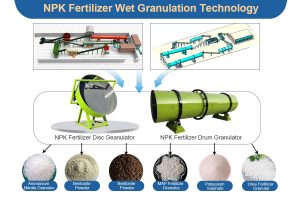
NPK Mixtures Wet Granulation Technology

What Features Define an Efficient NPK Fertilizer Granulating Machine?

A key part of compound fertilizer manufacturing is the choice of granulation equipment. Each fertilizer granulator machine type offers different advantages, and these differences influence fertilizer production line cost. A disc granulator provides simple operation and low investment, suitable for small-scale fertilizer factory setup cost. A rotary drum granulator ensures large capacity and continuous pelletizing, which suits medium to large npk fertilizer manufacturing plant cost planning. A double roller extrusion granulator reduces drying needs, which lowers energy consumption and total fertilizer production plant cost.

Besides the main granulator, other supporting fertilizer machinery also affects financial planning. A rotary drying machine and cooling machine maintain granule strength and quality while controlling moisture content. A screening machine separates qualified npk fertilizer pellets from powder or oversized particles, and a packing machine improves labor efficiency by completing automatic bagging. The integration of these machines defines the overall npk fertilizer production cost structure. Investors gain clear benefits when they select durable equipment because production stability reduces long-term compound fertilizer plant cost.


How Does Fertilizer Plant Cost Influence Business Decisions?

The fertilizer plant setup cost includes equipment purchase, installation, land use, energy supply, and labor. An investor who analyzes npk fertilizer factory cost needs to balance initial expenses with potential output capacity. A small production scale with limited fertilizer machinery requires lower fertilizer manufacturing plant cost, but it may reduce efficiency. A medium or large compound fertilizer production plant cost demands higher investment, yet it provides stable supply, better granule uniformity, and stronger market competitiveness.

In market practice, buyers often compare npk fertilizer granulator machine suppliers. Trusted equipment manufacturers usually provide not only machinery but also complete technical guidance for fertilizer granulation procedure. Cost-effective npk fertilizer production lines help reduce operational risks and ensure consistent compound fertilizer pellet quality. When investors calculate total npk fertilizer plant cost, they should consider after-sales service, spare parts supply, and equipment durability to secure long-term profitability.


Conclusion

The cost of a complete npk fertilizer granulating machine depends on raw material choice, machine features, supporting equipment, and plant scale. By selecting suitable raw materials like urea, ammonium sulfate, and potassium chloride, by evaluating granulation machinery such as disc granulators or drum granulators, and by considering auxiliary units like dryers, coolers, and packers, investors can calculate the fertilizer manufacturing plant cost more accurately.

Fertilizer entrepreneurs who aim for efficient npk fertilizer pellet production need to view cost not only as expenditure but also as investment in quality, efficiency, and market advantage. For those searching for reliable compound fertilizer production machinery, a professional fertilizer equipment manufacturer such as Yushunxin offers practical solutions and competitive fertilizer plant cost planning. You can visit: https://www.fertilizerproductequipment.com/npk-fetilizer-plant-cost/
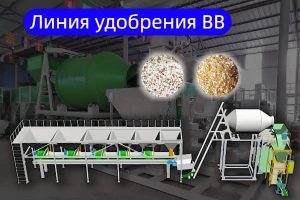
BB-удобрения: почему производственная линия BB — лучший выбор для новичков в индустрии удобрений и перспективы развития

С быстрым развитием современной сельскохозяйственной отрасли значение минеральных удобрений в производстве становится всё заметнее. Для тех, кто впервые входит в отрасль удобрений, выбор подходящей производственной линии — ключ к успеху. Производственная линия BB-удобрений благодаря низкому порогу входа, высокой гибкости и хорошей рыночной адаптивности становится всё более популярным выбором для начинающих предпринимателей. В этой статье мы расскажем, почему линия по производству BB-удобрений подходит для старта бизнеса и каковы её перспективы.

Линия-удобрения-BB-Shunxin

Что такое BB-удобрения?

BB-удобрения (Bulk Blending Fertilizer) — это смешанные удобрения, получаемые путём физического смешивания различных типов исходных компонентов (таких как азотные, фосфорные, калийные и микроэлементные удобрения) в определённых пропорциях без изменения их химических свойств. Их основная особенность — возможность индивидуального подбора состава, что позволяет гибко настраивать формулы под разные культуры, почвы и потребности заказчиков.

Основные компоненты линии производства BB-удобрений

1. Система дозирования
С помощью электронных весов и автоматических дозаторов обеспечивается точное взвешивание и подача каждого компонента, что гарантирует стабильность состава каждой партии BB-удобрений.

2. Оборудование для смешивания
Высокоэффективные смесители или барабанные миксеры обеспечивают равномерное смешивание компонентов, предотвращают расслоение и способствуют равномерной эффективности удобрений.

3. Транспортная система
Включает ленточные и шнековые конвейеры для транспортировки сырья и готовой продукции между этапами, что значительно повышает производительность.

4. Система упаковки
Автоматизированное оборудование для фасовки и взвешивания позволяет быстро и точно упаковывать продукцию, сокращая затраты на труд и повышая эффективность упаковки.

Почему линия BB-удобрений подходит для новичков?

1. Низкие инвестиции, минимальные риски
По сравнению с традиционными линиями по производству сложных удобрений, линия BB проста по оборудованию, требует меньших вложений и низких эксплуатационных расходов, что идеально подходит для малых предприятий и начинающих предпринимателей.

2. Простая технология, лёгкая эксплуатация
Производство BB-удобрений не требует высокотемпературных реакций и сложных химических процессов — достаточно точного дозирования и тщательного смешивания, что снижает технический порог для новых игроков.

3. Гибкость и высокая адаптивность к рынку
Можно быстро и легко менять рецептуры в зависимости от спроса рынка, удовлетворяя потребности различных сельскохозяйственных культур и регионов. Такая “персонализация” недоступна для традиционных удобрений.

4. Экологичность и энергосбережение
Всё производство не сопровождается высокотемпературными реакциями и значительными выбросами вредных веществ, что снижает экологическую нагрузку и облегчает получение разрешений, а также соответствует трендам устойчивого сельского хозяйства.

Перспективы рынка и развитие

С развитием точного и эффективного сельскохозяйственного производства требования к удобрениям становятся всё выше. Благодаря гибкости и выгодной цене BB-удобрения будут пользоваться всё большим спросом. Во многих регионах страны и за рубежом крупные фермы и кооперативы уже переходят на BB-удобрения для научного земледелия. Кроме того, государственная политика поддерживает продвижение экологичных и эффективных удобрений, что создаёт благоприятную среду для развития бизнеса BB-удобрений.

Для начинающих предпринимателей производственная линия BB-удобрений — это действительно оптимальный старт с низкими рисками, простым управлением и отличными рыночными перспективами. Она позволяет быстро выйти на рынок и масштабировать бизнес в зависимости от спроса. Если вы планируете начать свой путь в индустрии удобрений, обязательно обратите внимание на BB-удобрения!

Если у вас есть вопросы по подбору оборудования или организации производства, пишите в комментарии — мы поможем вам на пути к успеху! Более подробную информацию можно найти на сайте:https://www.liniyaudobreniy.com/liniya-udobreniya-bb/


How Does Drying Fruit Waste Aid in Manufacturing High-Quality Organic Fertilizers?

The continuous growth of green industries pushes more companies to rethink how organic waste transforms into valuable resources. Fruit pomace, vegetable residues, and other high-moisture by-products from food and beverage processing often reach moisture contents above 85–90%. Without a reliable water reduction process, these raw materials quickly decay, generate odor, and limit their application potential. However, when industries invest in systematic drying and complementary procedures such as dewatering, composting, and granulating, fruit waste becomes a stable and nutrient-rich base for organic fertilizer production from pomace. This approach not only supports sustainable waste management but also ensures the manufacturing of consistent, high-quality fertilizers that meet market demands.


What Types of Fruit Waste Become Valuable Raw Materials for Fertilizer Manufacturing?

Fruit pomace from apple juice, grape wine, citrus juice, and berry processing represents one of the most common high-moisture organic residues. Each pomace type offers different advantages for fertilizer production. Apple pomace contains pectin and fiber that improve soil conditioning. Grape pomace carries minerals and polyphenols that support nutrient release. Citrus pomace offers organic acids that enhance microbial activity during composting. However, all pomace types share the same challenge: moisture levels above 80–90% make direct application impossible. When industries apply dehydration or initial dewatering machines, the material becomes more uniform and manageable for further compost preparation. At this stage, the waste transitions from a disposal problem into a controlled raw material for organic fertilizer production.

Pomace Dryer
Pomace Dryer

How Does the Drying Process Improve the Quality of Fertilizer Raw Materials?

The water content inside pomace strongly influences fertilizer preparation. If fruit waste remains too wet, the composting cycle becomes unstable, the microbial balance shifts, and undesirable odors develop. Effective drying procedures, however, regulate moisture and allow stable compost techniques. When pomace passes through a designed pomace dryer, operators achieve moisture reduction from above 70–80% down to 10–15%. This exact drying process transforms fruit pomace into a material suitable for granulation or pelletizing. The improvement in storage stability, shelf life, and microbial safety guarantees that fertilizer manufacturers can plan production without interruptions. In addition, controlled drying also prevents nutrient leaching, which ensures higher fertilizer quality in the final granule or pellet form.


Which Machines Support the Step-by-Step Water Reduction System?

Fruit pomace requires a staged process that gradually lowers water content. In many production lines, a dewatering machine reduces initial moisture from over 90% to about 65–70%. Afterward, composting equipment stabilizes the organic matter and begins the breakdown of fibers and sugars. A pomace dryer then plays the central role by applying hot air or indirect heating designs to reduce moisture further to around 10–15%. Finally, a wet granulator or pelletizer transforms the dried material into uniform fertilizer granules or pellets. Across these four stages—dewatering, composting, drying, and granulating—the pomace changes from unstable fruit waste into a stable fertilizer preparation. Each machine contributes to the overall production system, but the pomace drying equipment provides the most decisive effect on quality and efficiency.


Why Does a Reliable Pomace Dryer Create Higher Efficiency in Fertilizer Production?

A well-designed pomace drying machine ensures consistent results. The dryer improves energy utilization by applying a controlled airflow system, uniform heating chamber, and adjustable residence time. As a result, industries save energy costs and reduce operational risks. The moisture reduction procedure also reduces the need for chemical additives, which helps fertilizer manufacturers maintain organic certification standards. When pomace leaves the dryer with the right particle structure, granulation machines can operate more smoothly, producing uniform fertilizer pellets or granules. The entire organic fertilizer production line benefits because the drying process defines both material flow and final product quality.


Conclusion

Fruit pomace and other moist residues no longer remain waste when industries apply structured production procedures. Through dewatering, composting, drying, and granulating, pomace turns into stable fertilizer granules and pellets that support sustainable agriculture and environmental safety. Among these stages, the pomace dryer holds a key position in water reduction and quality assurance. Companies searching for dependable drying technology can consider solutions from a professional drying equipment manufacturer—Yushunxin—whose expertise in pomace dryer systems ensures efficiency, stability, and long-term value in organic fertilizer production. You can visit: https://www.fertilizerdryer.com/pomace-drying-machine/

Линия гранулирования бентонита: эффективное и экологичное решение для превращения порошка в гранулы

Бентонит благодаря своим отличным свойствам – адсорбции, набуханию и химической стабильности – широко применяется в литейном производстве, бурении, экологии, кормовых добавках, наполнителях для кошачьих туалетов и других областях. Тем не менее, исходный бентонит обычно представляет собой порошок или мелкие частицы, что приводит к образованию большого количества пыли, неудобствам при транспортировке и низкой эффективности использования. Гранулирование позволяет не только упростить хранение и перевозку, но и повысить добавленную стоимость продукта, что позволяет использовать его в более востребованных отраслях. В этой статье мы подробно рассмотрим технологию, ключевое оборудование и преимущества линии по гранулированию бентонита.

Линия-по-производству-гранул-бентонита

I. Технологический процесс линии гранулирования бентонита

Обычно линия гранулирования бентонита включает следующие этапы: подготовка сырья, увлажнение и смешивание, гранулирование, сушка, классификация и упаковка. Классическая технологическая схема выглядит так:

1. Подготовка сырья
Сырой бентонит дробится и просеивается для удаления примесей и крупных кусков, чтобы получить порошок необходимой фракции.

2. Смешивание и увлажнение
Порошок бентонита тщательно смешивают с необходимым количеством воды и, при необходимости, с добавками (связывающими, укрепляющими компонентами), чтобы подготовить материал к гранулированию.

3. Гранулирование
На грануляторах (дисковых, барабанных или экструзионных) увлажнённый бентонит формируется в гранулы одинакового размера.

4. Сушка
Вращающиеся или поточные сушилки удаляют влагу из гранул, обеспечивая их прочность и стабильность.

5. Классификация
С помощью вибросита готовый гранулят сортируется по размеру. Негодные (слишком мелкие или крупные) гранулы возвращаются на переработку.

6. Упаковка и складирование
Качественный продукт автоматически фасуется, что облегчает хранение и транспортировку.

II. Ключевое оборудование

1. Дисковый гранулятор
Самый популярный вариант для гранулирования бентонита: обеспечивает высокий выход, равномерный размер гранул, прост в эксплуатации и обслуживании.

2. Вращающаяся сушилка
Эффективно и равномерно удаляет влагу, обеспечивая прочность гранул.

3. Смеситель
Обеспечивает равномерное смешивание бентонитового порошка с водой и добавками.

4. Вибрационное сито
Высокоточная классификация, единый размер готовых гранул.

5. Автоматическая упаковочная машина
Повышает производительность и снижает трудоемкость процесса.

III. Преимущества линии гранулирования бентонита

1. Равномерный размер и высокая прочность гранул
Передовые технологии позволяют получать гранулы правильной формы и размера с высокой прочностью, отвечающие современным требованиям рынка.

2. Снижение пылеобразования и экологичность
Минимизируется образование пыли, упрощается хранение и использование, соответствие требованиям экологической безопасности.

3. Высокий уровень автоматизации
Автоматизация всей линии снижает потребность в ручном труде, повышает производительность и управляемость.

4. Гибкость по сырью
Возможность настройки параметров под разное сырьё и требования заказчика, индивидуальный подход к производству.

5. Экономическая выгода
Увеличивается степень использования исходного материала, уменьшаются транспортные и производственные потери, растёт добавленная стоимость продукта и прибыльность предприятия.

IV. Широкие области применения

Гранулированный бентонит востребован в качестве связующего для литья, бурового раствора, наполнителя для кошачьих туалетов, кормовой добавки, адсорбента для очистки воды и во многих других сферах. Рыночные перспективы очень широки.

Линии гранулирования бентонита – это эффективное, экологичное и автоматизированное решение для глубокой переработки и повышения ценности материала. По мере расширения применения и ужесточения требований к качеству продукции, предприятия, оснащённые современными грануляционными линиями, получают серьёзные конкурентные преимущества. Если вы планируете строительство или модернизацию грануляционного производства – правильный выбор технологии и оборудования станет ключом к вашему успеху! Более подробную информацию можно найти на сайте:https://www.granulyator.com/product/liniya-granulirovaniya-bentonita/