Freeze Drying vs IQF Freezing Technology: Which Solution Fits Your Food Production Needs?

When you plan a food processing project, choosing the right preservation technology directly affects product quality, production efficiency, and market value. Freeze drying and IQF freezing both help food manufacturers extend shelf life, but they create different results for texture, nutrition, storage, and applications.

Many customers compare freeze drying vs IQF freezing technology when they develop fruit, vegetable, meat, or snack production lines. Understanding the differences helps you build a more suitable solution for your business.

What Is Freeze Drying Technology?

Freeze drying uses low-temperature vacuum technology to remove moisture from frozen products. The process keeps the original shape, color, flavor, and nutritional value of many food materials.

For example, fruits such as strawberries, mangoes, blueberries, and bananas can maintain their natural appearance after freeze drying. The final products often serve premium markets such as healthy snacks, instant ingredients, and high-value food applications.

An industrial freeze drying system usually includes freezing, vacuum drying, and packaging processes. Hadof provides customized solutions according to your raw materials, production capacity, and factory layout.

For different production requirements, you can choose suitable equipment such as an industrial freeze dryer or a fruit freeze dryer machine.

What Is IQF Freezing Technology?

IQF means Individual Quick Freezing. This technology quickly freezes individual food pieces at very low temperatures. It helps products keep their original shape and separates pieces easily after freezing.

IQF technology works well for frozen fruits, vegetables, seafood, and ready-to-cook foods. Many food factories use IQF systems because they provide fast freezing speed and support large-scale production.

However, IQF products still contain frozen water inside the structure. After thawing, some materials may lose texture and release moisture.

Freeze Drying vs IQF Freezing Technology: Main Differences

1. Product Quality and Texture

Freeze drying removes moisture through sublimation, so the food keeps a lightweight structure and crispy texture. Customers can enjoy products without additional cooking or preparation.

IQF freezing keeps food frozen and fresh, but the texture may change after thawing because ice crystals can affect cell structure.

For premium products that require long shelf life and high added value, freeze drying often creates stronger market advantages.

2. Storage and Transportation

Freeze dried products usually have very low moisture content. They can stay stable for long periods with proper packaging and storage conditions.

IQF products require frozen transportation and cold storage systems. This requirement increases logistics costs and creates more dependence on cold chain management.

3. Production Applications

Freeze drying works well for:

  • Freeze dried fruits
  • Pet food treats
  • Candy products
  • Instant food ingredients
  • Nutritional products

IQF technology mainly serves:

  • Frozen vegetables
  • Frozen fruits
  • Seafood products
  • Frozen meal preparation
Main Advantages of Freeze dry machine, Liquid nitrogen freezer and Air freezing

Your final choice depends on your target market, product type, and business model.

Build a Complete Production Line With Suitable Equipment

A complete freeze dried food production line requires more than one machine. Hadof designs production solutions based on your raw materials, output requirements, and factory conditions.

Before freeze drying, food materials often need washing, cutting, and preparation processes. For example, a bubble cleaning machine helps clean fruits and vegetables efficiently. A vegetable blanching machine  helps prepare vegetables before further processing.

During production, a reliable conveying system also improves workflow. A food conveyor system helps connect different processing steps and supports continuous operation.

With a customized production line, customers can combine washing, preparation, freezing, freeze drying, and packaging equipment according to their actual production needs.

Which Technology Should You Choose?

Freeze drying and IQF freezing both have advantages. IQF provides fast freezing and efficient large-volume production. Freeze drying creates premium products with excellent appearance, texture, and storage performance.

If you want to enter the high-value dried food market, freeze drying technology provides more opportunities. If your business focuses on frozen food distribution, IQF technology may fit your production goals better.

Hadof helps customers develop customized food processing solutions according to raw materials, production capacity, and factory space. The team can design a suitable production line instead of offering a standard machine package.

Conclusion

Understanding freeze drying vs IQF freezing technology helps you choose the right direction for your food production project. Each technology serves different applications, and the best solution depends on your product goals and production requirements.

If you need related customized services, please directly visit the Hadof freeze dryer homepage: https://www.freezehadof.com/

What Equipment Is Included in a Leafy Salad Processing Line for Washing, Cutting, Dewatering, And Drying?

Food factories need more than one vegetable washer when they plan stable ready-to-eat salad production. A complete leafy salad processing line equipment package for washing, cutting, and drying connects raw material inspection, size reduction, impurity removal, water management, moisture treatment, and packing preparation in one coordinated food production system. The correct equipment sequence helps processors handle lettuce, cabbage, spinach, celery, kale, arugula, baby leaves, herbs, and mixed salad vegetables without unnecessary transfer steps. Moreover, central kitchens, supermarket suppliers, chain restaurants, and project investors can match each machine to the required capacity, final cut size, hygiene plan, workshop area, and budget.

What Equipment Starts the Leafy Salad Preparation and Cutting Process?

A practical leafy salad manufacturing process starts with receiving, inspection, trimming, and controlled feeding. Operators use a stainless-steel sorting table to remove roots, damaged leaves, soil, stones, and foreign matter before the raw materials enter mechanical processing. A leaf separator can loosen cabbage or lettuce heads when the recipe requires separated leaves. Next, an adjustable leafy vegetable cutter handles lettuce strips, shredded cabbage, spinach sections, celery pieces, herbs, and other fresh-cut products. Variable conveyor and blade speeds help the factory match delicate leaves and firmer vegetables. Consequently, this food preparation procedure creates a consistent feed size for the washing machinery and reduces uneven cleaning, tangled leaves, and overloaded downstream equipment.

Raw Materials of Leafy Green Washing Line

How Does a Leafy Salad Processing Line Wash Cut Vegetables and Manage Impurities?

The washing section needs to open folded leaves, release sand, separate floating fragments, and move the product without strong mechanical rubbing. A vortex vegetable washing and vibrating dewatering machine uses circulating water, bubble agitation, filtration, overflow separation, and vibration to support continuous food washing management. Factories can process delicate leaf vegetables for fresh-cut salad production, including lettuce, spinach, cabbage, kale, and similar greens, while they adjust water flow according to leaf tenderness and cutting size. In addition, operators can add a second washing tank or a final fresh-water rinse when the incoming raw material contains more soil, insects, or fine particles. This food processing technology also helps the team organize water circulation, sediment disposal, filter cleaning, and wastewater treatment as separate control tasks.

Which Machines Handle Dewatering and Surface Drying After Vegetable Washing?

Washed leaves carry free water between folds and on cut surfaces, so the line needs staged moisture management before weighing and packing. First, a vibrating drainer removes loose water and can support a secondary spray rinse. Next, a centrifugal dehydrator uses controlled rotation to reduce the remaining moisture. Operators can adjust speed and treatment time for lettuce, cabbage, spinach, herbs, or mixed salads because each raw material reacts differently to mechanical force. Finally, a parallel air dryer can move ambient air across the product when the packaging specification requires lower surface moisture. This sequence gives the food production process better control than one aggressive drying step and helps the factory protect leaf shape, weighing consistency, and package appearance.

How Should a Factory Choose Between Basic and Complete Salad Line Equipment?

Factories should base the equipment configuration on the finished product instead of the name of the raw vegetable alone. A central kitchen that supplies same-day cooking may use sorting, cutting, washing, vibrating draining, and simple packing. In contrast, a ready-to-eat salad manufacturer may add multi-stage washing, centrifugal dehydration, air drying, automatic weighing, bag forming, sealing, date coding, check weighing, or metal detection. Buyers who compare an industrial leafy salad washing, dewatering, and drying system should confirm the hourly input, actual finished output, cutting range, number of washing stages, cleaning access, utility demand, and expansion plan. Therefore, a cost-effective purchase matches the food manufacturing goal rather than simply choosing the lowest machine price.

What Information Helps a Supplier Prepare an Accurate Food Processing Line Quotation?

A useful quotation requires clear project data. The buyer should provide raw material names and photographs, whole-leaf or cut-product requirements, target cutting sizes, dirt conditions, hourly capacity, operating shifts, final moisture target, packaging format, workshop dimensions, voltage, water supply, drainage positions, and destination. These details allow the supplier to select suitable equipment widths, conveyor lengths, tank quantities, dehydration capacity, and automation level. Furthermore, Hadof food production machinery and line engineering can help customers connect the separate machines into a workable factory layout. A complete price comparison should also distinguish essential machinery from optional modules, freight, installation conditions, spare parts, local utilities, and future expansion provisions.

Which Complete Equipment Flow Supports Stable Leafy Salad Production?

A well-planned line follows a clear total-to-detail sequence: inspection and trimming prepare the raw materials; cutting creates consistent sizes; vortex or bubble washing removes impurities; vibration draining controls free water; centrifugal dehydration manages residual moisture; air drying supports demanding packaging specifications; and weighing and sealing finish the food production procedure. Each machine should match the capacity of the previous and next stage, while the workshop layout should maintain practical access for cleaning, inspection, maintenance, and product movement. Therefore, food factories, supermarkets, central kitchens, and catering suppliers can control investment more effectively when they evaluate the complete process instead of purchasing isolated equipment.

For equipment details and project configuration information, customers can review https://www.hadofps.com/solutions/leafy-salad-processing-line/

Сухая или влажная грануляция бентонита: какая технология выгоднее для вашего производства

Правильное сравнение технологий сухой и влажной грануляции бентонита начинается с анализа исходного порошка и требований к готовому продукту. Покупателю необходимо учитывать влажность, тонкость помола, насыпную плотность, размер гранул, прочность, производительность и назначение продукции. Одна технология не может быть одинаково выгодной для всех видов бентонита.

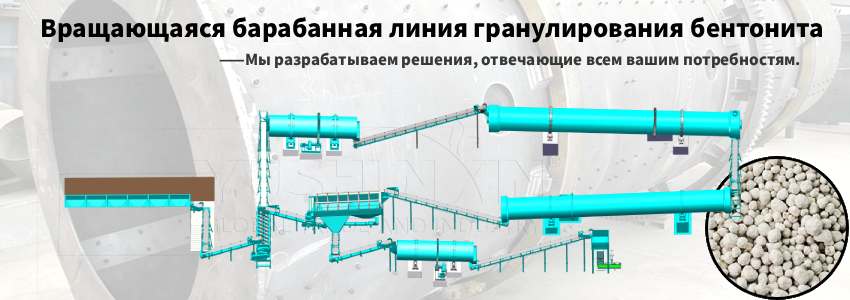
Вращающаяся-барабанная-линия-гранулирования-бентонита

Как работает сухая грануляция

При сухом способе порошок уплотняется между двумя валками. Полученный материал проходит дробление и просеивание. Товарная фракция направляется на упаковку, а слишком мелкие или крупные частицы возвращаются в производственный цикл.

Этот вариант может не требовать подачи большого количества воды, отдельной сушилки и охладителя. Поэтому технологическая схема обычно содержит меньше оборудования. Однако результат зависит от способности материала уплотняться под давлением. Слишком сухой, неоднородный или плохо прессуемый порошок может формировать непрочные гранулы.

Перед покупкой рекомендуется провести испытание сырья. Испытание позволяет подобрать давление, форму ячеек валков и размер готовой фракции.

Как работает влажная грануляция

При влажном способе порошок смешивается с контролируемым количеством жидкости или связующего вещества. Дисковый либо барабанный гранулятор формирует гранулы за счёт перекатывания и последовательного укрупнения частиц.

Такая технология подходит для материалов, которым требуется дополнительное увлажнение для формирования гранул. Она также позволяет регулировать процесс посредством изменения подачи жидкости, угла наклона или скорости вращения оборудования.

После влажной грануляции линии часто требуется сушка, охлаждение и просеивание. Эти стадии увеличивают количество машин, занимаемую площадь и требования к энергоснабжению.

Что влияет на экономическую выгоду

Покупателю следует сравнить не только цену основного гранулятора. В расчёт входят дробление, смешивание, сушка, охлаждение, аспирация, возврат некондиционной фракции и упаковка.

Правильно выбранный гранулятор бентонита под свойства исходного порошка должен обеспечивать согласованную работу со всеми вспомогательными машинами. Если грохот или упаковочная система имеют меньшую производительность, они ограничат выпуск всей линии.

Назначение готового продукта также влияет на решение. Природная глина бентонит применяется в разных отраслях, поэтому требования к размеру, форме и прочности гранул могут отличаться. Производителям наполнителя, сорбента и промышленного гранулята нужны разные параметры процесса.

Когда выбирать каждый способ

Сухая технология целесообразна, если материал хорошо прессуется, а предприятие хочет сократить количество мокрых технологических стадий. Влажная грануляция подходит, если сырью необходимо увлажнение и проекту требуются более округлые гранулы.

Для крупного проекта требуется производственная линия для гранулирования бентонитового порошка, в которой согласованы дозирование, гранулирование, сушка либо дробление, просеивание и упаковка. Одной машины недостаточно для стабильного непрерывного производства.

Перед выбором необходимо определить оборудование для гранулирования бентонита с учётом влажности сырья. Покупателю следует предоставить образец материала, требуемую часовую мощность, фракцию готового продукта и условия площадки.

Окончательный выбор технологии гранулирования бентонита по результатам испытаний позволяет сравнить варианты по комплектации, эксплуатационным расходам и требованиям к цеху. Покупатель может посмотреть подробности решения перед подготовкой технического задания.

Для получения более подробной информации, пожалуйста, посетите: https://www.granulyator.com/product/granulyator-bentonita/