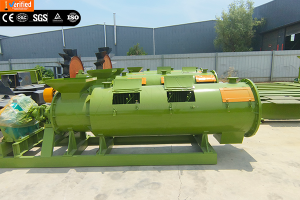
How Does Granulation Machinery Improve the Production of Carbon-Based Fertilizer from Chicken Manure?

Carbon-based fertilizer production from chicken manure gains increasing attention due to its effectiveness and environmental benefits. The integration of advanced granulation machinery into the production process significantly improves both the efficiency and quality of carbon-based fertilizers. This blog will explore the key procedures and machinery involved in converting chicken dung into value-added powdery and granular fertilizers, focusing on how granulation plays a crucial role in the transformation.


What Raw Materials Can You Use for Carbon-Based Fertilizer Production from Chicken Manure?

The selection of raw materials directly influences the quality of carbon-based fertilizer. Chicken manure, also known as bird dung, becomes an ideal primary ingredient due to its high organic content and nutrient density. Producers often combine chicken manure with crop straw, sawdust, rice husks, or biochar to enhance the carbon content. This mixture ensures the production of powdery or granular fertilizers with balanced nutrients and organic matter.

You can also use other agricultural wastes, such as corn cobs, peanut shells, or even green waste, in the preparation process. Each type of raw material offers unique carbon sources, which, when processed together, help regulate moisture, carbon-to-nitrogen ratio, and particle size distribution. The initial processing stage usually involves crushing and mixing these raw materials to achieve a uniform powder suitable for carbonization and further granulation.

Organic Fertilizer Raw Materials


How Does Granulation Machinery Optimize Chicken Manure Carbon Fertilizer Processing?

Modern granulation equipment plays a pivotal role in the transformation of chicken dung into premium carbon-based fertilizer granules. The granulation process typically follows the carbonization of powdered chicken manure. Carbonization equipment, such as a furnace, converts the mixture into high-carbon powder, which then undergoes further refining through a crushing machine or carbon fertilizer grinder.

Advanced granulators, including disc granulators, drum granulators, flat die granulators, or double roller extrusion granulators, enable the consistent shaping of powdery carbon-based materials into uniform granules or pellets. These machines allow precise control over particle size, density, and moisture content, all crucial for the stable storage, transport, and application of carbon fertilizer. The inclusion of a pelletizer or ball making machine minimizes dust, enhances granule strength, and improves nutrient release efficiency.

Additionally, the entire production line often incorporates supporting equipment, such as compost machines for pre-fermentation of chicken manure, drying machines for moisture removal, and automatic packing machines for efficient packaging. By integrating these machines, you ensure a streamlined procedure from raw material preparation through pellet making to finished fertilizer products.

biofertilizer granulators.

What Advantages Can You Achieve from Upgraded Granulation and Production Procedures?

The adoption of specialized granulation machinery in carbon-based fertilizer production from chicken manure leads to multiple advantages. Firstly, the granulation process reduces the inherent odor and pathogens in bird manure, resulting in hygienic, easy-to-handle granules. Secondly, the resulting carbon fertilizer granules or pellets exhibit enhanced physical properties, including improved strength, uniformity, and flowability. These features contribute to easier transportation, storage, and mechanical application.

In addition, the tailored granulation procedures enable precise nutrient retention and slow-release characteristics, making the fertilizer more effective for various soil types. The use of powder to granule technology also increases the commercial value and market competitiveness of the final product, setting it apart from traditional powdered or unprocessed chicken dung fertilizers.


Conclusion

In summary, the efficient processing of chicken manure into high-quality carbon-based fertilizers relies on a comprehensive production line featuring advanced powder crushing, carbonization, and granulation machinery. This modern equipment transforms raw bird dung into standardized powdery and granulated products suitable for the fertilizer market. For those seeking a reliable partner in fertilizer equipment, Yushunxin stands out as a professional manufacturer offering complete solutions—ranging from carbonization equipment and crushing machines to specialized granulators—that elevate the production process and ensure consistent, high-value carbon-based fertilizer output. You can visit: https://www.charbasedfertilizermachine.com/product/chicken-dung-and-biochar-as-fertilizer/
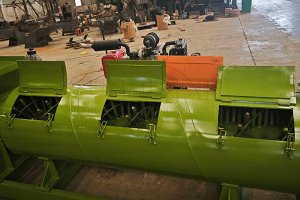
Wet vs Dry Granulation in Biofertilizer Production from Compost

Biofertilizer granules production is a vital component of sustainable agriculture, offering an eco-friendly alternative to chemical fertilizers. When producing biofertilizers from compost, granulation plays a crucial role in creating a product that is both easy to handle and effective in the field. Two primary methods of granulation are commonly used: wet and dry granulation. Each method has its advantages and drawbacks, and choosing the right one depends on various factors, including the nature of the compost material, cost considerations, and the desired properties of the final product.

Wet Granulation Process

Wet granulation involves adding a liquid binder to the compost material to form biofertilizer granules. Like starch, etc. This method is advantageous because it allows for the production of uniform and dense granules, which can enhance the handling and application of the biofertilizer. The liquid binder helps to improve the cohesiveness of the compost particles, resulting in stronger and less friable granules. Additionally, wet granulation can aid in the even distribution of nutrients, ensuring that each granule delivers consistent fertility benefits to crops. Learn more.

Dry Granulation Process

In contrast, dry granulation involves compacting the biofertilizer compost into granules without the addition of liquid. This method is typically more economical and energy-efficient as it eliminates the need for drying and cooling steps. Dry granulation is suitable for compost materials that already possess some natural cohesiveness or can be compacted under pressure. So, dry granulation of biofertilizer is cost-effective

Which One is Better?

The choice between wet and dry granulation in biofertilizer production from compost largely depends on the specific requirements of the production process and the end-use. Wet granulation is preferable when uniformity and durability of granules are top priorities, and the added costs and complexity can be justified. On the other hand, dry granulation is ideal for simpler operations where cost-effectiveness and energy conservation are critical. Here,  you can visit https://www.granulatedcompostsolutions.com/product/how-to-produce-granular-biofertilizer-from-compost/ for reference.

Ultimately, the decision should be guided by a thorough analysis of the raw materials, production capabilities, and market demands, ensuring that the selected method aligns with the overall goals of the biofertilizer production process.

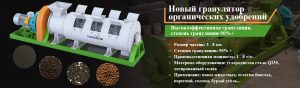
Влажная технология грануляции с использованием зубчатого смесителя: эффективный инструмент для повышения эффективности переработки животного навоза в органические удобрения

В современном сельском хозяйстве животный навоз рассматривается как чрезвычайно важный ресурс для производства органических удобрений. С увеличением внимания к вопросам экологии и устойчивого развития сельского хозяйства, эффективная обработка и использование этих ресурсов становятся приоритетными для фермеров и агрокомпаний. Влажная грануляционная машина с зубчатым смесителем является передовой технологией, предоставляющей эффективный способ преобразования животного навоза в высококачественные органические удобрения. В этой статье будут рассмотрены принцип работы, преимущества и примеры применения влажной грануляционной машины с зубчатым смесителем.

Новый-гранулятор-органических-удобрений

Принцип работы влажной технологии грануляции с использованием зубчатого смесителя

Влажная грануляционная машина с зубчатым смесителем сочетает механическое перемешивание и контроль влажности для смешивания животного навоза с другими органическими веществами и формирования из них однородных гранул. Основные процессы включают:

– **Смешивание материалов**: Предварительно обработанный животный навоз смешивается с необходимым количеством воды и других органических добавок для образования однородной влажной массы.

– **Грануляция с использованием зубчатого смесителя**: Под действием зубчатого механизма влажная масса в процессе вращения и перемешивания постепенно формируется в гранулы. Конструкция зубчатого механизма предотвращает налипание материала на стенки оборудования, обеспечивая плавность процесса грануляции.

– **Формирование и полировка гранул**: Точные процессы формования и полировки позволяют получать плотные и однородные гранулы органических удобрений.

Гранулятор-для-органических-удобрений-с-зубчатым-барабаном

Преимущества влажной грануляционной машины с зубчатым смесителем

– **Высокая эффективность грануляции**: Технология грануляции с зубчатым смесителем позволяет в короткие сроки достичь высокой эффективности производства, что подходит для массового производства.

– **Высокое качество гранул**: Влажная грануляция обеспечивает равномерные, плотные гранулы, которые не крошатся при транспортировке и использовании.

– **Широкая адаптивность**: Оборудование может обрабатывать различные виды навоза и других органических материалов, что делает его универсальным.

– **Экологичность и энергоэффективность**: Оптимизированное энергопотребление делает процесс более экологичным.

Продам-новый-гранулятор-органических-удобрений

Примеры применения

1. Крупные молочные фермы в Нидерландах
Нидерланды известны своими передовыми сельскохозяйственными технологиями, особенно в области молочного производства. Многие крупные молочные фермы используют грануляторы с мокрым перемешиванием для переработки коровьего навоза. Эти устройства помогают фермам преобразовывать большие объёмы коровьего навоза в высококачественное органическое удобрение для удобрения пастбищ, тем самым повышая их питательную ценность и продуктивность. Это не только снижает затраты на утилизацию отходов, но и повышает устойчивость молочного производства.

2. Проекты по производству биомассы в Дании
В Дании технология грануляции с мокрым перемешиванием используется в проектах по производству биомассы. Местные свинофермы смешивают свиной навоз с другими органическими отходами и перерабатывают его в грануляторах с мокрым перемешиванием для производства топливных гранул, которые можно использовать для производства биогаза. Этот процесс увеличивает добавленную стоимость свиного навоза и обеспечивает чистой энергией сельские районы, способствуя местной энергетической независимости.

3. Органические фермы в США
На органических фермах в США, особенно в Калифорнии и других регионах, для переработки куриного и другого птичьего помета используются грануляторы с мокрым перемешиванием. Эти устройства интегрируются в системы управления навозом, помогая фермам производить органически сертифицированные удобрения. Это высококачественное органическое удобрение используется для выращивания фруктов и овощей, удовлетворяя растущий рыночный спрос на органические продукты питания.

4. Экологически чистое сельское хозяйство в Австралии
В некоторых проектах по экологичному сельскому хозяйству в Австралии грануляторы с мокрым перемешиванием используются для переработки навоза животных, таких как крупный рогатый скот и овцы, в органическое удобрение. Эта технология помогает фермам наладить эффективный цикл разведения и посадки, сокращает использование химических удобрений и улучшает качество почвы. Такая практика не только соответствует концепции экологического сельского хозяйства, но и повышает безопасность и качество сельскохозяйственной продукции.

Международный опыт применения гранулятор с мокрым перемешиванием демонстрирует адаптивность и эффективность этой технологии в различных сельскохозяйственных системах. Независимо от того, используется ли она для производства энергии, экологического сельского хозяйства или выращивания органической сельскохозяйственной продукции, эта технология продемонстрировала свой огромный потенциал в области устойчивого развития. По мере того, как внимание к защите окружающей среды и эффективности использования ресурсов во всем мире продолжает расти, технология влажной грануляции будет играть все более важную роль в сельскохозяйственной практике по всему миру. Влажный гранулятор представляет собой важный технологический прорыв в области переработки навоза и производства органических удобрений. Он не только обеспечивает эффективное использование ресурсов, но и способствует устойчивому развитию сельского хозяйства. Если вас интересует мокрый гранулятор с перемешивающим устройством или вы хотите узнать больше о применении этой технологии, свяжитесь с нами. Мы будем рады помочь вам в вашем сельскохозяйственном бизнесе. Для получения дополнительной информации посетите:https://www.sxmashina.com/novyy-granulyator-organicheskikh-udobreniy/

Latest Technologies and Trends in NPK Fertilizer Production Lines

The production of NPK fertilizers is undergoing a significant transformation, driven by the need for efficiency, sustainability, and precision in agriculture. As global food demand continues to rise, the fertilizer industry is adopting innovative technologies to enhance the production process, reduce environmental impact, and meet diverse agricultural needs. Here, we explore the latest technologies and trends shaping NPK fertilizer production lines.

1. Automation and Digitalization:

One of the most prominent trends in NPK fertilizer production is the integration of automation and digital technologies. Advanced sensors, IoT (Internet of Things) devices, and AI-driven analytics are now being utilized to monitor and control production processes in real-time. This digital transformation allows for improved precision, reducing waste and optimizing resource use. Automated NPK fertilizer making systems enhance operational efficiency by maintaining consistent product quality, minimizing human error, and increasing throughput.

2. Sustainable Manufacturing Practices:

Sustainability is a major focus in modern npk (Nitrogen, Phosphorus, and Potassium) fertilizer production. Manufacturers are increasingly adopting eco-friendly practices to address environmental concerns. This includes recycling waste materials, utilizing renewable energy sources, and implementing closed-loop systems to minimize emissions and effluents. Innovations such as no pollution npk fertilizer manufacturing  are being explored to create fertilizers with lower carbon footprints.

3. Precision Blending and Customization:

With advancements in production technology, manufacturers can now offer highly customized NPK blends tailored to specific crop requirements and soil conditions. Precision blending technologies enable the incorporation of micronutrients and specialty additives, catering to the diverse nutritional needs of different plants. This trend towards customization not only optimizes crop yield but also reduces the overuse of fertilizers, promoting environmental sustainability. Learn more.

Bulk blending fertilizer line for economical npk fertilizer making

4. Granulation Technology:

Recent developments in granulation technology are improving the physical properties of NPK fertilizers. Modern npk granulation methods produce homogenous and dust-free granules with improved nutrient release profiles. Technologies like steam granulation and fluid bed granulation ensure that fertilizers dissolve more efficiently in soil, enhancing nutrient availability to plants.

5. Enhanced Efficiency Fertilizers (EEFs):

The industry is witnessing a shift towards Enhanced Efficiency Fertilizers, which are designed to improve nutrient uptake and minimize losses through leaching or volatilization. These EEFs, including controlled-release and stabilized fertilizers, are becoming increasingly popular as they offer both economic and environmental benefits.

In conclusion, the NPK fertilizer production industry is evolving rapidly, driven by technological advancements and a growing emphasis on sustainability. By embracing automation, sustainable practices, precision customization, and advanced granulation techniques, manufacturers are not only improving the efficiency and quality of fertilizers but also contributing to more sustainable agricultural practices. These innovations are paving the way for a future where food production can meet global demands while minimizing environmental impact. If you are interested in the project, you can visit https://www.fertilizerbusinessplan.com/how-to-prepare-npk-fertilizer/

What Is the Role of Compaction in Limestone Powder Pelletizing Processes?

Limestone powder fertilizer manufacturing involves a variety of raw materials, offering tailored solutions for multiple industries. For fertilizer granule production, raw materials such as lime rock powder, dolomite powder, gypsum, bentonite, and other mineral fines are commonly used. Each of these materials presents specific characteristics that influence their application in granule formation. For instance, lime rock powder contains essential calcium, providing soil amendment benefits, while dolomite powder introduces both calcium and magnesium, enhancing soil fertility. Gypsum powder assists in soil structure improvement, and bentonite contributes binding properties, making it valuable in the granulation process. These materials prove vital for industries including horticulture, forestry, and turf management, where high-quality lime-based fertilizer pellets support plant health and soil conditioning. Furthermore, lime powder fertilizer granule production extends benefits to environmental remediation projects, where pelletized products aid in neutralizing acidity in soils and water bodies. Through careful selection of these raw materials, manufacturers address sector-specific requirements and deliver optimized fertilizer particles for targeted uses.

Limestone Powder Granulator

How Does Compaction Influence Lime-Based Fertilizer Granulation Processes?

Compaction plays a central role in lime powder fertilizer granulation processes, driving the transition from fine powder to strong, uniform particles. In the context of fertilizer pellet making, compaction refers to the mechanical pressing or squeezing of powdered materials, using machines such as double roller extrusion granulators or dry granulation extruders. This technique encourages the formation of dense, robust granules that withstand handling, storage, and transportation. Unlike traditional wet granulation, dry compaction eliminates the need for liquid binders, reducing drying steps and improving operational efficiency. Throughout the lime-based fertilizer production procedure, compaction ensures particle size uniformity and enhances product flowability. For industries that require dust-free handling and consistent application rates, such as landscaping or urban green management, compacted lime particle production offers significant advantages. By optimizing compaction parameters, fertilizer manufacturers achieve efficient pelletizing results, tailoring granule hardness and size to meet diverse customer demands.

What Machine Features Optimize Limestone Powder Fertilizer Pelletizing?

Specialized equipment forms the backbone of efficient limestone powder granule manufacturing. Loader type feeders automate material input, ensuring a steady supply to the production line, while crain crushers break down large lime rock lumps into fine powder suitable for further processing. Horizontal mixers guarantee homogeneous blending of limestone powder with additives, enhancing pellet quality and nutrient distribution. The double roller extrusion granulator stands out as a pivotal machinery for compaction and pelletizing, utilizing mechanical pressure to form uniform lime-based fertilizer granules without added moisture. Following compaction, rotary screening machines separate qualified pellets by size, ensuring consistency in product batches. Automatic packaging scales and belt conveyors streamline finished granule handling, reducing manual labor and increasing throughput. These machine features contribute to a controlled and efficient limestone powder pellet making procedure, supporting high production rates and stable granule quality across various fertilizer applications.

How Do Different Granulation Techniques Impact Lime Fertilizer Production?

Granulation techniques for lime powder fertilizer production include dry granulation, extrusion compaction, and mechanical pelletizing. Each technique holds unique advantages according to product specifications and operational considerations. Dry granulation, using double roller extruder granulators, compresses lime powder under high pressure, forming solid pellets with minimal energy consumption. Extrusion compaction provides precise control over granule density and size, making it suitable for producing consistent lime-based fertilizer pellets required for calibrated fertilization. Mechanical pelletizing, or pellet making, involves forming round or oval lime granules, improving product dispersibility and visual appeal. When manufacturers select appropriate granulating procedures, they improve production efficiency, product performance, and customer satisfaction. By combining advanced machinery, such as horizontal mixers and rotary screens, with optimized compaction technologies, the lime fertilizer manufacturing industry delivers innovative, high-quality products tailored to modern agricultural and environmental needs.

Summary

In summary, compaction serves as a critical factor in lime rock powder fertilizer pelletizing, enabling the transformation of loose powder into durable, manageable granules. Careful raw material selection, advanced granulation machinery, and optimized compaction processes allow diverse industries to benefit from effective lime-based fertilizer products. Whether for soil conditioning, environmental management, or specialized horticultural applications, pelletizing procedures supported by reliable equipment ensure high-quality granule production. For those seeking expert solutions in lime-based fertilizer granulation, a professional fertilizer equipment manufacturer such as Yushunxin provides industry-leading technologies and comprehensive support to enhance your production goals. You can visit: https://www.extruder-granulator.com/product/limestone-powder-granulation-machine/

Cow Dung Powder Making Machine Price: A 2025 Guide

With the rise in demand for organic fertilizers, many farmers and compost producers are investing in cow dung powder making systems to process raw manure into fine, nutrient-rich fertilizer. A complete system includes not just a single machine but a combination of equipment for drying, crushing, screening, and sometimes packaging. Understanding the price of a full cow dung powder making system is essential for proper planning and investment.

Price Range of Cow Dung Powder Making System

In 2025, the cost of a cow dung powder fertilizer line generally falls into the following ranges based on scale:

  • Small-scale systems (0.5–2 tons/hour):
    $1,000 – $30,000
    These setups are ideal for small farms or home-based composting businesses. They usually include a small-scale dewatering machine, semi-wet crusher, and simple screening unit.
  • Medium-scale systems (2–5 tons/hour):
    $30,000 – $60,000
    These systems are suitable for commercial powder organic fertilizer operations. They often include automatic dewatering equipment, efficient vertical crushers, rotary screeners, and optional belt conveyors for better material handling.
  • Large-scale systems (5–10+ tons/hour):
    $6,000 – $90,000
    These industrial systems offer high automation and throughput, with features like heavy-duty compost turners, advanced moisture control, dust collectors, and integrated control panels.

Learn more.

Breakdown of Key Equipment and Their Prices

1. Dewatering Machine (Solid-liquid Separator):
$2,500 –$8,000 – Removes excess moisture from fresh cow dung to reduce drying time.

2. Cow Dung Crusher (Semi-wet or Vertical Type):
$3,500 – $16,000 – Grinds partially dried cow dung into fine powder.

3. Rotary Screener or Vibrating Sieve:
$3,000 – $10,000 – Ensures uniform powder size and removes impurities.

4. Conveyors & Feed Hoppers (optional):**
$3,000 – $8,000 – For efficient material transport and reduced manual labor.

5. Dust Collector or Cyclone (optional):
$3,000 –$6,000 – Minimizes dust pollution and keeps the plant environment clean.

Get it on https://www.fertilizerbusinessplan.com/cow-dung-powder-making-machine/

Factors That Influence the System Price

Automation level: Higher automation means higher cost but lower labor.
Materials & build quality: Stainless steel systems are more expensive but resist corrosion.
Brand & origin: Chinese systems are cost-effective, while European ones offer advanced engineering.

Conclusion

Investing in a cow dung powder making system offers great potential for profit and sustainability. Whether you’re starting small or scaling up, you can expect to spend between $1,000 and $90,000, depending on your processing volume and desired automation level. Always seek supplier support, on-site installation guidance, and spare parts availability before buying.

Инвестиции в производственную линию порошкового козьего навоза: Новые возможности для козьих ферм

В современном сельском хозяйстве эффективное использование ресурсов и устойчивое развитие становятся ключевыми задачами для каждого участника. Как производитель оборудования для производства удобрений, мы понимаем важность этой тенденции и считаем, что козьи фермы имеют уникальную возможность, вложив средства в производственную линию порошкового козьего навоза, достичь двойной выгоды для окружающей среды и экономики.

Оборудование-для-производства-порошковое-удобрение-из-овечьего-навоза

Превращение отходов в источник экономического роста

Козьи фермы ежедневно производят значительное количество козьего навоза, который, если его не переработать, может негативно влиять на окружающую среду и создавать потенциальные проблемы со здоровьем. Однако козий навоз является эффективным источником органических удобрений. Инвестируя в производственную линию порошкового козьего навоза, фермы могут превратить эти отходы в продукты органических удобрений с высокой добавленной стоимостью и увеличить источники дохода.

Удовлетворение спроса на рынке органического сельского хозяйства

Быстрый рост мирового рынка органического сельского хозяйства предъявляет новые требования к органическим удобрениям. Порошковый козий навоз как естественное органическое удобрение, богатое питательными веществами, необходимыми для роста растений, пользуется широким спросом на рынке. С помощью нашего производственного оборудования фермы могут быстро производить высококачественные органические удобрения, соответствующие рыночному спросу, и войти в этот быстро развивающийся рынок.

Преимущества оборудования для эффективного производства

Наша производственная линия порошкового козьего навоза разработана с использованием передовых технологий, обеспечивающих эффективность и стабильность производственного процесса. Высокая степень автоматизации и интеллектуализации оборудования позволяет значительно снизить затраты на рабочую силу и повысить производительность. Низкое энергопотребление и простота в обслуживании помогают фермам снизить производственные издержки и повысить качество и объем продукции.

Производство-порошковое-удобрениеиз-овечьего-навоза

Содействие охране окружающей среды и устойчивому развитию

Инвестиции в производственную линию порошкового козьего навоза — это не только стремление к экономической выгоде, но и выполнение экологической ответственности. Перерабатывая навоз в удобрения, а не выбрасывая его, фермы могут значительно снизить негативное воздействие на окружающую среду, способствовать сокращению выбросов парниковых газов и защите водных ресурсов. Такие экологические меры могут улучшить социальный имидж фермы и её конкурентоспособность на рынке.

Комплексная техническая поддержка и обучение

Мы предлагаем не только высококачественное оборудование, но и комплексную послепродажную поддержку и техническое обучение. Наша профессиональная команда поможет фермам установить и настроить оборудование, а также предоставит постоянную техническую поддержку и обучение по эксплуатации, чтобы фермы могли эффективно и стабильно управлять производственной линией.

Для козьих ферм инвестиции в производственную линию порошкового козьего навоза — это отличная возможность преобразовать отходы в ресурс. С помощью нашего оборудования фермы смогут достичь экономической выгоды, одновременно реагируя на тренд устойчивого развития. Мы с нетерпением ждем сотрудничества с большим количеством ферм для совместного продвижения инноваций и развития в сельскохозяйственной сфере. Более подробную информацию можно найти на сайте:https://www.liniyaudobreniy.com/reshenie-proizvodstvo-poroshkovoe-udobrenie-iz-ovechego-navoza/

Understanding Fermentation Parameters in Biofertilizer Production: Microbial Viability & Nutrient Stability

Fermentation is the biological heart of any biofertilizer production process. Whether you’re producing powder, granule, or liquid formulations, the quality of your final product depends largely on the microbial activity and nutrient preservation during composting and fermentation. In this article, we break down the critical fermentation parameters that impact microbial viability and nutrient stability—and explain how optimized equipment and process control ensure consistent, high-quality biofertilizer output.


Why Fermentation Matters in Biofertilizer Manufacturing

Fermentation transforms raw organic materials—such as cow dung, pig manure, and crop residues—into stable, nutrient-rich, and pathogen-free compost. This biological phase is essential for:

  • Enabling microbial inoculants to proliferate and establish
  • Reducing odor and eliminating harmful bacteria
  • Preserving key nutrients like nitrogen, phosphorus, and potassium

When done improperly, fermentation can result in incomplete decomposition, poor granulation outcomes, or even the loss of microbial effectiveness.


Key Parameters to Monitor During Fermentation

1. Temperature Control

  • Thermophilic range (50–70°C) is necessary for pathogen kill-off and rapid decomposition.
  • Overheating can harm beneficial microbes and cause nitrogen loss.
  • Professional equipment like in-vessel fermentation tanks ensures stable heat distribution.

2. Carbon-to-Nitrogen Ratio (C/N Ratio)

  • Ideal range: 25:1 to 30:1
  • Low C/N = excess nitrogen = ammonia loss
  • High C/N = slow decomposition
  • Balancing raw materials like manure and crop waste ensures optimal microbial growth.

3. Moisture Content

  • Target: 50% to 60%
  • Too wet: anaerobic conditions, bad odor
  • Too dry: low microbial activity
  • Use moisture testers and turning equipment to maintain uniform hydration

4. Oxygen Levels (Aeration)

  • Composting is an aerobic process; oxygen must be maintained >5%
  • Regular turning (e.g., every 2–3 days) using windrow turners or groove-type compost machines prevents anaerobic pockets

5. pH and Microbial Additives

  • pH range: 6.5–8.0 supports microbial activity
  • Consider adding functional microbial strains or fermentation starters to boost degradation and nutrient conversion

The Role of Equipment in Optimizing Fermentation

Using the right equipment is essential to control and adjust these parameters in real time:

  • In-vessel fermentation tanks: Best for high-tech control and odor management
  • Self-propelled windrow turners: Great for mid-sized outdoor composting projects
  • Groove composting systems: Efficient for continuous, space-saving indoor setups

Automated monitoring and turning reduce labor, ensure uniform decomposition, and protect the viability of microbial inoculants. Need help choosing a composting machine ? Contact us!


Conclusion

Fermentation is not just a natural process—it’s a precision-controlled phase that defines the quality of your biofertilizer. By mastering temperature, moisture, C/N ratio, aeration, and pH—and using specialized equipment—you can produce a stable, microbe-rich biofertilizer ready for granulation or direct use. Want to learn more about the next steps? Visit this website: https://www.biofertilizerproduction.com/product/bio-organic-fertilizer-production-line/

Эффективная двухвалковая грануляторная машина для куриного помета: идеальный выбор для повышения сельскохозяйственного производства

В современном сельском хозяйстве эффективное использование ресурсов и устойчивое развитие окружающей среды являются важными вопросами. При обработке навоза птицы, двухвалковая грануляторная машина для куриного помета становится идеальным выбором для многих фермеров и предприятий благодаря своим эффективным и экологичным характеристикам. Сегодня мы с гордостью представляем нашу высокоэффективную двухвалковую грануляторную машину, которая не только демонстрирует выдающуюся производительность, но и обладает экономической ценностью.

Granulador de extrusión de doble rodillo en venta

Почему стоит выбрать высокоэффективную двухвалковую грануляторную машину для куриного помета?

1. **Выдающаяся производительность гранулирования**: Наша машина использует инновационную технологию валковой прессовки, эффективно превращая куриный помет в равномерные гранулы, значительно улучшая физические свойства и эффективность удобрения.

2. **Энергоэффективность и экологичность**: Конструкция оборудования ориентирована на оптимизацию энергопотребления, что делает процесс работы как энергоэффективным, так и экологически безопасным, помогая пользователям сократить углеродный след.

3. **Прочность и долговечность**: Изготовлена из высококачественных материалов, машина прочная и долговечная, способна выдерживать долгосрочные интенсивные производственные задачи, снижая затраты на частую замену и ремонт.

4. **Широкая адаптивность**: Наша грануляторная машина подходит для куриного помета с различной влажностью и вязкостью, что делает её универсальным решением для удовлетворения потребностей различных птицефабрик.

5. **Удобство эксплуатации и обслуживания**: Дружественный интерфейс устройства делает его простым в использовании, а продуманный дизайн обслуживания обеспечивает минимальные затраты времени и усилий для поддержания оборудования в оптимальном состоянии.

Línea de producción de fertilizantes orgánicos por granulación de doble rodillo

Экономическая выгода от использования высокоэффективной двухвалковой грануляторной машины

Использование этой машины позволяет фермерам и предприятиям не только эффективно перерабатывать куриный помет, но и превращать его в высокоценные органические удобрения, что увеличивает доходы от сельскохозяйственного производства. Кроме того, гранулированные удобрения легко упаковывать и транспортировать, что расширяет возможности сбыта.

Отзывы клиентов

Многие клиенты, использовавшие нашу машину, отмечают значительное повышение производительности и улучшение качества удобрений. Владелец крупной птицефабрики, господин Ли, отметил: “С введением этой высокоэффективной грануляторной машины наша производительность увеличилась на 30%, а конкурентоспособность продукции на рынке возросла”.

Покупка и обслуживание

Выбирая нас, вы получаете всестороннюю поддержку. От выбора оборудования и установки до последующего обслуживания, наша профессиональная команда всегда готова обеспечить максимальный возврат ваших инвестиций.

Высокоэффективная двухвалковая грануляторная машина для куриного помета – это мощный помощник в повышении производительности сельского хозяйства и важный инструмент для достижения устойчивого развития. Если вы хотите повысить производственные возможности с помощью инновационного оборудования, рассмотрите нашу машину. Мы всегда рады предоставить дополнительную информацию или организовать демонстрацию оборудования. Ждем вашего сотрудничества! Для получения более подробной информации посетите сайт: https://www.sxmashina.com/rolikovyy-granulyator/