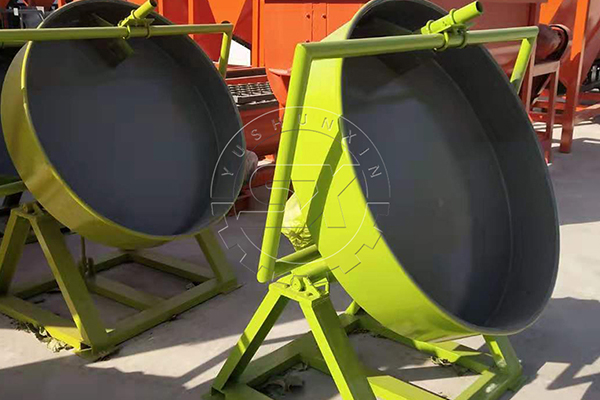
Дисковый гранулятор: принцип работы, преимущества и руководство по применению в линии гранулирования удобрений

Дисковый гранулятор (его также называют тарельчатым гранулятором или дисковым окомкователем) — это классическое оборудование для влажной грануляции, широко используемое при производстве органических удобрений, комплексных (NPK) удобрений и для гранулирования различных порошкообразных материалов. Его ценят за простую конструкцию, хорошую сферичность гранул и наглядную регулировку, особенно когда важны «шарообразная форма, внешний вид и равномерный размер».
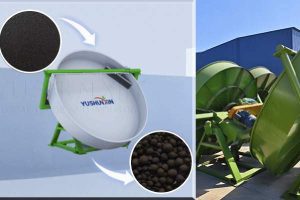
Disc Pelletizer


1. Что такое дисковый гранулятор и для каких продуктов он подходит

Дисковый гранулятор формирует гранулы в наклонно установленной вращающейся тарели: материал перекатывается, слипается и постепенно «наращивается» до требуемого размера. Типичные области применения:

  • гранулирование комплексных NPK-удобрений (для части рецептур требуется связующее/распыление раствора)
  • гранулирование органических удобрений (птичий помет, компост, гуминовые материалы и т. п.)
  • органо-минеральные удобрения
  • минеральные порошки и химические материалы (в зависимости от липкости и требований к влажности)

Дисковая грануляция больше ориентирована на получение «шариков». Если вам нужен хороший внешний вид, высокая сферичность и управляемая фракция, это часто один из лучших вариантов.


2. Принцип работы: как гранулы «вырастают» в тарели

Процесс гранулирования можно сравнить со «снежным комом»:

  1. Подача материала в тарель: предварительно смешанный порошок поступает непрерывно или порционно.
  2. Увлажнение/введение связующего для образования ядра: распыляют воду, пар, раствор или связующее, чтобы создать условия для сцепления частиц.
  3. Окомкование и послойный рост: гранулы перекатываются под действием центробежной силы, трения и тяжести; мелкие частицы прилипают к поверхности и наращивают размер.
  4. Самопроизвольный сход при достижении фракции: при подходящих угле наклона, скорости и слое материала готовая фракция переливается через край тарели и поступает на следующие операции (сушка, классификация и т. д.).

Ключевые параметры регулировки: угол наклона тарели, скорость вращения, расход распыляемой жидкости, грансостав и влажность исходного материала. Они определяют производительность, распределение по размерам и сферичность.


3. Конструкция: какие узлы влияют на результат

Типичный дисковый гранулятор включает:

  • тарель (диск) грануляции: диаметр, глубина и тип футеровки влияют на стабильность слоя и производительность
  • механизм регулировки наклона: ключевой узел для управления временем пребывания и размером гранул
  • привод: двигатель, редуктор, цепная/зубчатая передача — определяют надежность и стоимость обслуживания
  • скребок/очистка тарели (опция): снижает налипание и улучшает непрерывность процесса
  • система распыления (в составе линии): расположение форсунок и качество распыла напрямую влияют на выход гранул и запыленность

При выборе важно учитывать материал изготовления, износостойкую футеровку и антикоррозионную защиту — особенно при агрессивных или абразивных рецептурах.
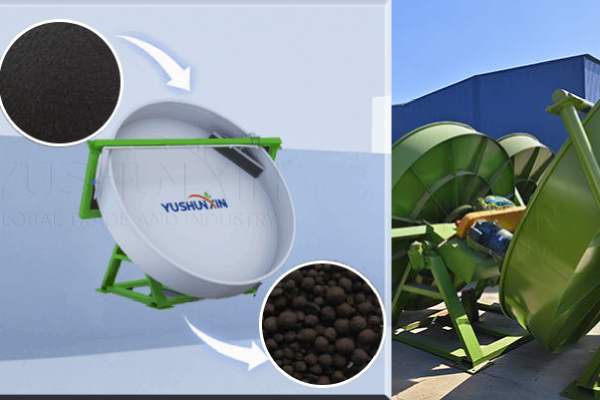
Гранулятор удобрение на основе угля

4. Преимущества и ограничения дискового гранулятора

Преимущества

  • высокая сферичность и лучший внешний вид гранул
  • наглядная регулировка фракции: быстрое управление углом наклона, скоростью и увлажнением
  • простая конструкция, умеренные инвестиции и обслуживание
  • удобно переключаться между рецептурами: большой диапазон настройки

Ограничения

  • чувствительность к влажности: при узком «окне» по влаге требуется более точное распыление и смешивание
  • зависимость от формирования «ядра»: слишком сухие/«скользкие» порошки плохо комкуются, растет возврат
  • масштабирование по производительности: для больших мощностей часто нужны тарели большего диаметра или несколько машин параллельно (важны место и компоновка)

Если приоритет — низкая влажность на выходе, высокая насыпная плотность и компактность, иногда лучше подходит валковое прессование; но для внешнего вида и шаровидности дисковая грануляция обычно выигрывает.


5. Типовая схема линии производства удобрений

Дисковый гранулятор редко работает «в одиночку» — обычно это узел внутри линии. Типовая цепочка:

  1. дозирование (ленточные весы/шнековые дозаторы)
  2. смешивание (ленточный или двухвальный смеситель)
  3. дисковая грануляция (система распыления воды/связующего)
  4. сушка (барабанная сушилка)
  5. охлаждение (барабанный охладитель)
  6. грохочение/классификация (годная фракция/мелочь в возврат/крупка на дробление и возврат)
  7. обволакивание/антислеживатель (опция) (снижение слеживаемости, улучшение блеска)
  8. упаковка (дозатор, фасовка, паллетирование)

Особенно важно грамотно организовать контур возврата: мелочь после сита возвращают в грануляцию как «ядра», что заметно повышает выход и стабильность.


6. Что сильнее всего влияет на выход и размер гранул (практика)

Чтобы «поймать» стабильный режим, обычно контролируют:

  • гранулометрический состав сырья: слишком крупные частицы дают неравномерное окомкование, слишком мелкие — пыль и склонность к комкам; часто применяют измельчение и предварительное просеивание
  • качество смешивания: неоднородность приводит к разной впитываемости и «разбросу» по размеру
  • расход и точка распыла: избыток воды вызывает налипание и комки, недостаток — медленное образование гранул и высокий возврат; важны мелкодисперсный распыл и равномерное покрытие
  • соотношение угла наклона и скорости: больший наклон сокращает время пребывания (гранулы мельче), слишком высокая скорость «выбрасывает» материал, слишком низкая — ухудшает перекатывание
  • температура материала и влажность воздуха: при повышенной влажности среды некоторые рецептуры сильнее налипают — требуется настройка режима, сушка/осушение или меры против налипания

7. Рекомендации по выбору: 5 вопросов перед покупкой

  1. Какой целевой диапазон гранул нужен? (например, 2–4 мм или 3–5 мм)
  2. Насколько колеблется влажность сырья и стабильно ли дозирование?
  3. Есть ли в рецептуре липкие/солеобразующие/коррозионные компоненты? (влияет на материал и футеровку)
  4. Планируется ли сушка и охлаждение? Какая влажность требуется на выходе?
  5. Что важнее — сферичность или удельные энергозатраты/компактность?

Если ответы понятны, обычно легко определить типоразмер (диаметр тарели), систему распыла, необходимость скребка и долю возврата.


8. Обслуживание: как продлить ресурс и сохранить производительность

  • регулярно контролируйте износ футеровки и деформацию тарели
  • следите за смазкой привода и температурой подшипников
  • засорение форсунок — частая проблема: ставьте фильтрацию и плановую промывку
  • борьба с налипанием: корректировка влажности/точки распыла, установка скребка или оптимизация возврата
  • ведите журнал параметров: угол, скорость, расход распыла, доля возврата, производительность, распределение по фракциям — это ускоряет поиск причин отклонений

Заключение: когда дисковый гранулятор — лучший выбор?

Если вы хотите получить гранулы удобрений более круглые, ровные и привлекательные, и можете удерживать влажность в рабочем диапазоне за счет качественного смешивания и распыления, дисковый гранулятор часто оказывается одним из самых выгодных решений. В связке с сушкой, грохочением и замкнутым контуром возврата он обеспечивает стабильное, управляемое промышленное производство по многим рецептурам. Для получения более подробной информации, пожалуйста, посетите:https://www.sxmashina.com/tarelchatyy-granulyator-protsess/
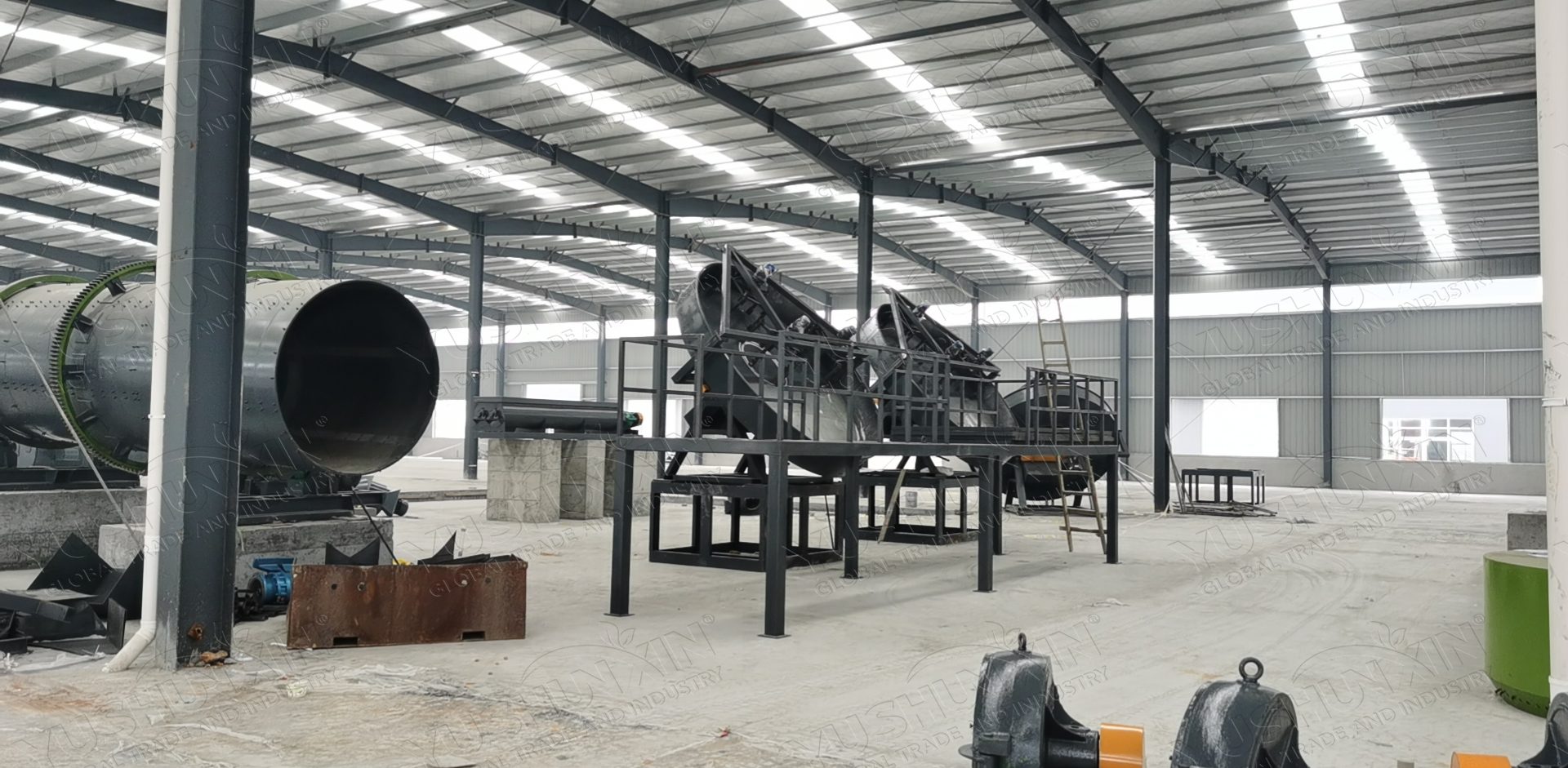
Большие скидки на дисковые грануляторы при покупке в конце года

В конце года предприятия, занимающиеся производством удобрений, стремятся модернизировать свои производственные линии с минимальными затратами. Среди разнообразного оборудования для гранулирования особое место занимает дисковый гранулятор для удобрений. Выбор этого типа гранулятора становится особенно актуальным в период сезонных скидок, когда производители предлагают выгодные условия для приобретения оборудования. Эти обстоятельства позволяют компаниям значительно повысить эффективность производственного процесса и сократить издержки.

Гранулятор удобрение на основе угля

Каковы ключевые преимущества дискового гранулятора при модернизации производственных линий?

Дисковый гранулятор для удобрений обеспечивает стабильное качество конечного продукта и высокую производительность. Компании, которые применяют это оборудование, отмечают простоту интеграции в существующие технологические цепочки, а также возможность быстрой перенастройки на различные сырьевые материалы. Конструкция гранулятора отличается высокой надёжностью и долговечностью, что гарантирует непрерывную работу предприятия даже при больших объёмах производства. Кроме того, оборудование позволяет формировать гранулы одинакового размера, что положительно влияет на качество и транспортировку готовой продукции.

Какие дополнительные устройства необходимы для эффективной работы дискового гранулятора?

Для успешной эксплуатации гранулятора дискового типа требуется правильно подобранный комплект дополнительного оборудования. Например, наличие дробилки и смесителя обеспечивает оптимальную подготовку сырья. Современные предприятия используют также системы автоматической подачи и сортировки, что сокращает время производственного цикла и минимизирует участие человека. Построение комплексной линии с использованием различных устройств позволяет повысить степень автоматизации, снизить производственные затраты и обеспечить высокую рентабельность бизнеса.

Дисковый гранулятор + барабанный гранулятор

В чём заключаются экономические преимущества внедрения дискового гранулятора?

Внедрение дискового гранулятора для удобрений непосредственно влияет на оптимизацию производственных расходов. Компании получают возможность снизить энергопотребление, сократить расходы на обслуживание и увеличить срок эксплуатации оборудования. Благодаря простоте конструкции и доступности запчастей, регулярное техническое обслуживание не требует больших затрат времени и ресурсов. Гарантированное качество продукции и гибкость оборудования позволяют предприятиям быстро реагировать на изменения рынка и поддерживать конкурентоспособность.

Каковы особенности сезонных скидок на покупку дискового гранулятора в конце года?

В конце года наблюдается рост спроса на производственное оборудование, что связано с плановой модернизацией предприятий. В этот период производители предлагают крупные скидки на дисковый гранулятор для удобрений, а также выгодные условия поставки и сервисного обслуживания. Покупка оборудования в сезон скидок позволяет компаниям не только сэкономить средства, но и быстро внедрить новые решения в производственный процесс. Своевременное обновление техники гарантирует стабильную работу предприятия и обеспечивает выпуск высококачественной продукции.

Disc Pelletizer

Покупка дискового гранулятора для удобрений в конце года представляет собой эффективное решение для предприятий, стремящихся модернизировать производство и минимизировать затраты. Гибкость оборудования, высокая производительность и сезонные скидки делают инвестиции максимально выгодными. Для получения более подробной информации, пожалуйста, посетите наш сайт: https://www.sxmashina.com/tarelchatyy-granulyator-protsess/
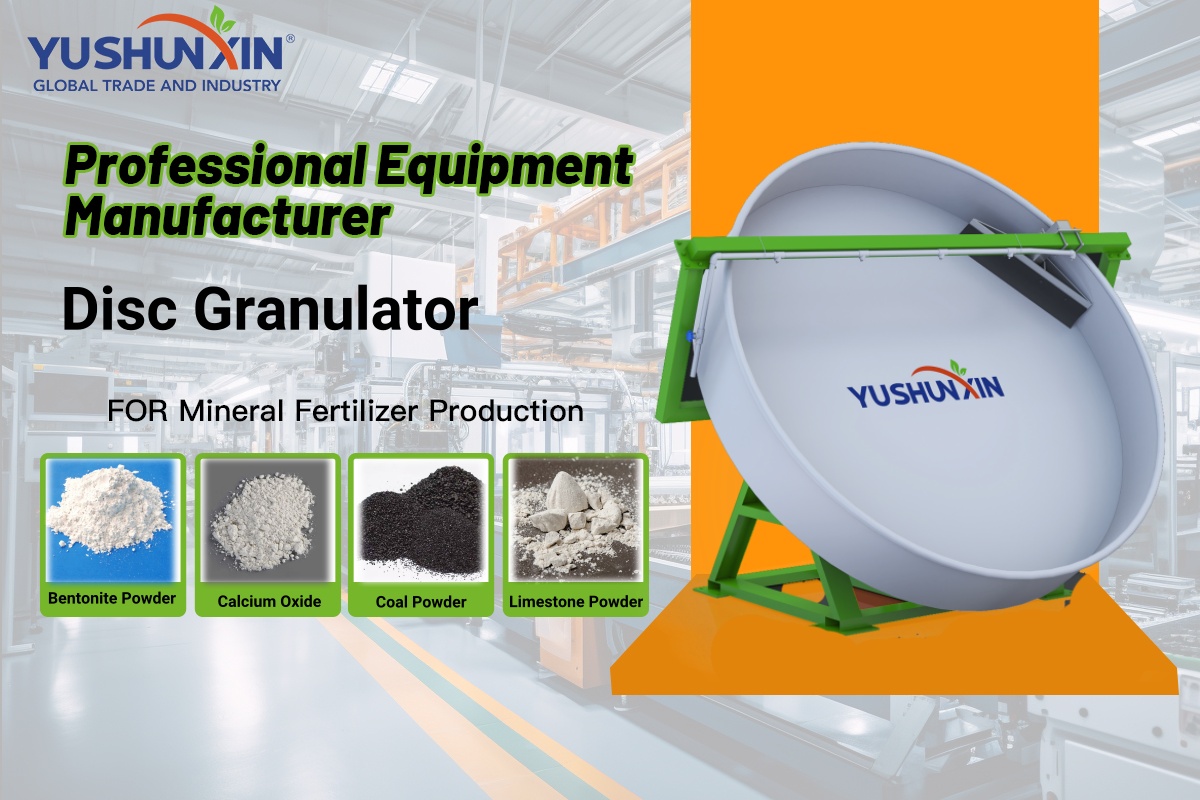
How Do Disc Granulators Support Sustainable Practices in Mineral Fertilizer Production?

Mineral fertilizer production integrates mining resources and industrial processing technology to create stable, high-value granules that meet sustainable development goals. Modern granulation equipment, especially the disc granulator, plays a critical role in improving efficiency, resource utilization, and product uniformity. Through well-designed granulation machinery and supporting equipment, mineral fertilizer manufacturers can reduce waste, lower energy consumption, and enhance the circular use of mineral resources.


What Types of Raw Minerals Are Suitable for Sustainable Fertilizer Production?

Various mineral materials serve as essential raw inputs for fertilizer manufacturing. Common examples include rock phosphate, limestone, dolomite, and potash ore, each offering distinct chemical properties and industrial benefits. For instance, rock phosphate provides phosphorus sources for phosphate fertilizer production while supporting rock phosphate fertilizer production lines. Limestone supplies calcium and helps adjust soil pH, making it a fundamental material in limestone fertilizer production solutions. Dolomite contributes magnesium, and potash ore introduces potassium for balanced nutrient formulations.

Each mineral type demands specific processing procedures before granulation. The ore fertilizer crusher machine or jaw rock crusher prepares the raw mineral by reducing particle size, ensuring better mixing and uniform granule formation. The Raymond mill further refines mineral powders to achieve consistent quality before the granulation stage. These process steps enable industries to transform mine-derived materials into usable, stable, and recyclable fertilizer particles, supporting long-term mine waste management and sustainable resource recovery.

Disc Pelletizer


How Does the Pan Granulator Contribute to Efficient and Sustainable Fertilizer Manufacturing?

In mineral fertilizer granulation plants, the disc granulator—also known as a pan pelletizer or pellet-making machine—acts as the central unit of the production line. This equipment performs continuous granulation by rotating its disc, allowing fine mineral powders to gather into uniform spheres through controlled moisture and mechanical force. The granulation process reduces dust emissions, minimizes material loss, and delivers consistent granule size, which supports both energy efficiency and environmental compliance.

From a manufacturing perspective, the disc granulation machine provides operational flexibility. Operators can adjust disc inclination, rotational speed, and water addition to accommodate different ore compositions and granule size requirements. Compared with other granulators, this type of pelletizer consumes less energy and simplifies maintenance due to its compact design and stable mechanical performance. By integrating the pan granulator with auxiliary systems such as a screening machine and drying equipment, the entire production line achieves a closed, clean, and resource-efficient workflow.

The granulation process itself transforms mineral dust or powder from mining operations into solid, easy-to-handle pellets, reducing transportation losses and contamination risks. This approach directly supports sustainable production practices by utilizing by-products from the mining and metallurgy sectors, transforming them into valuable fertilizer materials rather than waste.


How Can Integrated Mineral Fertilizer Processing Solutions Improve Sustainability and Product Quality?

Modern mineral fertilizer production increasingly adopts integrated systems that combine crushing, granulating, screening, and drying processes. In a mineral organic fertilizer production line or NPK fertilizer manufacturing plant, the coordination among these machines ensures optimal resource allocation and reduced environmental impact. The ore fertilizer crusher prepares the raw material, the disc granulator forms uniform particles, and the rotary screening machine separates qualified granules from oversized or undersized material for reprocessing.

This integrated operation model enhances production stability, reduces raw ore waste, and lowers dust generation during the pelletizing process. It also allows industries to reuse mineral residues and improve mine waste management practices. When the production line runs under controlled moisture, temperature, and speed conditions, the resulting fertilizer granules exhibit consistent density and strength, improving storage and transportation performance.

Sustainable practices rely on technological innovation and precise equipment design. Advanced granulation machinery provides the foundation for cleaner, more efficient mineral fertilizer production. Through continuous improvement in manufacturing technology, fertilizer producers can achieve balanced economic and environmental benefits while contributing to global sustainability goals.


Conclusion

The future of mineral fertilizer production depends on reducing environmental pressure while maintaining product quality and production efficiency. The disc granulator and its supporting mining fertilizer processing equipment represent essential tools for transforming rock and ore resources into high-value granules. By investing in professional machinery and optimized production systems, manufacturers can achieve long-term sustainability and resource recycling.

A professional fertilizer equipment manufacturer—Yushunxin—provides reliable disc granulation machines, ore fertilizer crushers, and complete mineral fertilizer production solutions to support sustainable industrial growth and responsible mineral utilization. You can visit: https://www.mineralfertilizerproductionsolutions.com/product/disc-granulator-machine/

Грандиозная новогодняя распродажа — Качество и успех вместе с дисковым гранулятором для комплексных удобрений!

Время летит незаметно, и 2025 год подходит к логическому завершению. В этот замечательный момент, когда мы встречаем Новый год, чтобы отблагодарить наших новых и постоянных клиентов за доверие и поддержку, мы запускаем новогоднюю акцию на дисковый гранулятор для производства комплексных удобрений. Успейте приобрести оборудование по выгодной цене и заранее позаботьтесь о повышении эффективности вашего производства в следующем году!


Гранулятор удобрение на основе угля

1. Дисковый гранулятор для комплексных удобрений — лучший выбор для увеличения производительности

Как важное оборудование на линии производства комплексных удобрений, дисковый гранулятор отличается высокой степенью образования гранул, равномерностью частиц, прочной конструкцией и простотой в эксплуатации. Наши грануляторы прошли модернизацию и подходят для производства различных рецептур гранулированных удобрений, помогая вашему предприятию повысить эффективность и снизить затраты, а также укрепить конкурентоспособность на рынке.

2. Новогодняя распродажа — множество выгод

1. Многоступенчатые скидки: в период проведения акции при покупке определённых моделей дисковых грануляторов скидка до 500$.
2. Подарки ограничены: первым 30 клиентам — фирменный комплект запасных частей в подарок для бесперебойной работы оборудования.
3. Индивидуальное обслуживание: для всех заказов по акции — бесплатное техническое сопровождение и поддержка при установке для успешного запуска вашего производства.
4. Обмен старого на новое: для постоянных клиентов — специальные субсидии при обновлении оборудования, энергосбережение и экологичность, обновление производственной линии.

3. Почему выбирают именно нас

– Гарантия качества: только высококачественная сталь, превосходная сборка, долговечность и надёжность
– Передовые технологии: богатый отраслевой опыт, постоянные инновации и решения реальных производственных задач
– Надёжный сервис: развитая система послепродажного обслуживания — вы покупаете уверенно и используете спокойно

Дисковый гранулятор + барабанный гранулятор

4. Время проведения акции

С настоящего момента и до 31 декабря 2025 года — предложение ограничено по времени и количеству!

5. Контакты

По вопросам консультации, получения стоимости и технического обсуждения обращайтесь к нам в любое время.

Грандиозная новогодняя распродажа — упустите сейчас, придётся ждать целый год! Дисковый гранулятор для комплексных удобрений — удвойте производительность и увеличьте прибыль в новом году! Не упустите шанс, сотрудничайте с лидерами рынка! За подробностями обращайтесь на наш сайт:https://www.granulyator.com/product/diskovyy-granulyator/

Высококачественная дисковая грануляторная машина — лучший выбор для эффективного гранулирования

С развитием сельского хозяйства и экологической промышленности спрос на гранулированные органические удобрения, комплексные удобрения, а также различные химические гранулы постоянно растет. Как выбрать высокоэффективную и высококачественную дисковую грануляторную машину — ключевой момент для современных предприятий в реализации автоматизированного и масштабного производства. В этой статье мы подробно расскажем о принципе работы дискового гранулятора, его преимуществах, сферах применения и дадим рекомендации по выбору, чтобы вы могли легко выйти на новый уровень эффективного производства.

Disc Pelletizer

I. Принцип работы дисковой грануляторной машины

Дисковый гранулятор состоит из вращающегося диска, приводного устройства, рамы, скребка и других частей. Во время работы порошкообразный или мелкозернистый материал равномерно подается во вращающийся диск. Под действием вращения диска и определённого количества влаги материал непрерывно перекатывается внутри диска, формируя равномерные и гладкие гранулы. Регулируя угол наклона и скорость вращения диска, можно гибко контролировать размер гранул и процент образования шариков, чтобы удовлетворить различные производственные потребности.

II. Преимущества высококачественного дискового гранулятора

1. Равномерное гранулирование, высокий процент образования шариков
Высококачественный дисковый гранулятор обеспечивает процент образования шариков до 93% и выше, гранулы имеют красивую форму и одинаковый размер, что облегчает упаковку и транспортировку.

2. Рациональная конструкция и долгий срок службы
Оборудование изготовлено из высококачественных износостойких материалов, имеет компактную и прочную конструкцию, стабильную работу в течение длительного времени, что значительно снижает эксплуатационные расходы.

3. Простота эксплуатации и обслуживания
Удобная конструкция, простое управление, легкость чистки и обслуживания существенно повышают производительность труда.

4. Широкая область применения
Гранулятор подходит не только для органических и комплексных удобрений, но и для химической, фармацевтической, кормовой, экологической промышленности и других отраслей.

5. Энергосбережение и экологичность
Низкое энергопотребление, низкий уровень шума, отсутствие выбросов отходов, соответствие современным требованиям экологически чистого производства.

Гранулятор удобрение на основе угля

III. Сферы применения дискового гранулятора

– Производство органических, комплексных, BB-удобрений
– Гранулирование гуминовых кислот, биологических удобрений
– Производство гранул в химической, фармацевтической, кормовой промышленности
– Гранулирование экологических материалов, минеральных гранул и др.

IV. Как выбрать высококачественный дисковый гранулятор?

1. Определить требуемую производительность и выбрать подходящую модель;
2. Обратить внимание на используемые материалы, отдавать предпочтение коррозионно- и износостойким материалам;
3. Оценить технический потенциал и уровень сервиса производителя, выбирать компании с хорошей репутацией;
4. Лично ознакомиться с работой оборудования, убедиться в его стабильности и высоком выходе готовой продукции;
5. Убедиться в наличии качественного послепродажного обслуживания для долгосрочной эффективной работы оборудования.

Высококачественный дисковый гранулятор благодаря эффективному гранулированию, энергоэффективности и простоте эксплуатации становится незаменимым оборудованием в производственных линиях удобрений, химической и других промышленных отраслях. Правильный выбор дискового гранулятора позволит повысить конкурентоспособность продукции и принесет вашему предприятию значительную экономическую и социальную выгоду.

Если вы заинтересованы в покупке дискового гранулятора или хотите узнать больше о технических характеристиках и примерах применения, обращайтесь к нам — наша профессиональная команда подберет для вас индивидуальное решение для эффективного гранулирования! Более подробную информацию можно найти на сайте:https://www.sxmashina.com/tarelchatyy-granulyator-protsess/

Why Are Disc Pelletizers Ideal for Mineral Fertilizer Granule Manufacturing Lines?

Mineral fertilizer granule production lines rely on various rock and ore-based raw materials. Typical feedstocks include limestone, dolomite, rock phosphate, gypsum, bentonite, and potassium-bearing minerals. Mines deliver these mineral resources in bulk, making them suitable for continuous fertilizer manufacturing processes. Each mineral provides unique benefits: for example, rock phosphate supports phosphorus enrichment, while limestone stabilizes soil pH. In mine waste management, certain ore residues can also serve as raw inputs, turning mining by-products into valuable mineral organic fertilizer granules. End-users in sectors like crop cultivation, forestry, landscaping, and even mine land reclamation seek custom granule formulations to address their specific soil and nutrient requirements.

Disc Pelletizer


How Do Disc Pelletizers Meet the Needs of Mineral Fertilizer Granulation?

Disc pelletizers, also known as pan granulators or disc granulation machines, play a vital role in mineral fertilizer granule manufacturing. These machines feature adjustable tilt angles and rotational speeds, allowing precise control over the granule size distribution. Mineral fertilizer production lines benefit from this flexibility, since different ore and rock materials possess varying particle sizes and moisture content. The open disc design ensures uniform mixing and efficient granulate formation, especially in processes where raw mineral powders require consistent balling and pelletizing. Compared to other granulation equipment, disc pelletizers offer rapid start-up and ease of operation, reducing downtime and supporting high-volume mineral fertilizer production demands.


What Key Features Make Disc Pelletizing Machines Preferable in Mineral Fertilizer Plants?

Several advantages make pan pelletizers the equipment of choice for mineral organic fertilizer production lines. Firstly, the disc granulator machine can handle a wide range of mineral powders, including abrasive rock particles and fine ore dusts. The machine allows for continuous granule formation, supporting both small-scale rock phosphate fertilizer production and large bulk fertilizer blending plant operations. Secondly, disc pelletizers exhibit low power consumption, minimizing operational costs when processing minerals from mines. Their modular structure simplifies integration with other essential machinery, such as ore fertilizer crusher machines, rotary screening machines, and conveying equipment. This compatibility enhances process efficiency from initial ore crushing to final mineral fertilizer granule screening and packaging.


Which Additional Machines Support the Mineral Fertilizer Manufacturing Process?

A complete mineral fertilizer production line typically requires more than just a disc granulation machine. Ore fertilizer crusher machines, such as jaw rock crushers or Raymond mills, crush raw mineral rocks to appropriate particle sizes. After crushing, rotary screening machines separate qualified mineral granules from undersized or oversized particles, ensuring consistent product quality. Conveying equipment transfers mineral materials between stages, while drying and cooling systems stabilize fertilizer pellets before storage. These supporting machines work in tandem with disc pelletizers to optimize the entire mineral fertilizer granulation procedure.


Conclusion

In summary, disc pelletizers deliver significant advantages for mineral organic fertilizer production lines. The flexibility to process diverse rock and ore materials, the ability to produce uniform mineral fertilizer granules, and the ease of integration with crushers and screening machines all contribute to process efficiency and product quality. When seeking reliable mineral fertilizer production solutions, many industry users select disc granulators for their adaptability and cost-effectiveness. For those requiring robust equipment and comprehensive process support, a professional fertilizer equipment manufacturer such as Yushunxin offers tailored solutions to maximize mineral fertilizer granule manufacturing performance. You can visit: https://www.mineralfertilizerproductionsolutions.com/product/disc-granulator-machine/

How Does Granulation Machinery Transform Mineral Waste into Valuable Fertilizer?

The transformation of mineral waste into valuable fertilizer is a significant advancement in both the mining and agricultural industries. Granulation machinery plays a pivotal role in converting mineral residues into nutrient-rich fertilizer granules. Understanding this process reveals how industries can repurpose waste, enhance sustainability, and improve economic outcomes.

What Raw Materials Are Suitable for Mineral Fertilizer Production?

Mineral fertilizer pellet production utilizes a variety of raw materials derived from mining operations. Common examples include rock phosphate, limestone, and various mineral ores. Rock phosphate fertilizer production leverages phosphate-rich ore to create fertilizers high in phosphorus content. Limestone fertilizer production solutions use pulverized limestone to provide essential calcium and improve soil pH levels. By using these mineral resources, industries can convert mining byproducts into valuable agricultural inputs.

Each industry benefits uniquely from this conversion. Mining companies achieve effective mine waste management by reducing environmental liabilities associated with waste piles. The agricultural sector gains access to mineral-based fertilizers that enhance soil fertility and crop yields. Repurposing mineral waste not only mitigates environmental impact but also promotes a circular economy where resources are efficiently utilized.

Disc Pelletizer

How Does Granulation Machinery Enhance Mineral Fertilizer Production?

Granulation machinery, including pan granulators and disc pelletizers, is essential in the manufacturing process of mineral fertilizers. These machines granulate fine mineral particles into uniform granules, improving both handling and application efficiency. The disc granulator, sometimes referred to as a pan granulator, rotates to agglomerate mineral particles into granules of specific sizes and densities.

Granulating equipment ensures that mineral fertilizers are produced with consistent quality and desired physical properties. In the manufacturing of NPK fertilizer, granulation machines combine nitrogen, phosphorus, and potassium compounds into balanced granules. This process enhances nutrient availability to plants and ensures uniform distribution when applied to fields.

Additional equipment plays a critical role in the production process. Crushing machines, such as jaw rock crushers and ore fertilizer crusher machines, reduce raw mineral ores into fine particles suitable for granulation. Screening machines then separate granules based on size, ensuring that only particles meeting quality standards proceed to packaging. This combination of machinery streamlines the production procedure and enhances overall efficiency.

What Benefits Do Industries Gain from Mineral Fertilizer Granulation?

The granulation of mineral fertilizers offers significant advantages to both mining and agricultural industries. For mining operations, granulation machinery enables effective mine waste management by transforming otherwise unusable mineral waste into marketable products. This not only reduces environmental risks but also creates additional revenue streams from mineral residues.

Agricultural industries benefit by gaining access to high-quality mineral fertilizers that improve soil health. Granulated fertilizers are easier to handle, store, and apply, enhancing farming efficiency. Bulk fertilizer blending plants, like those producing BB fertilizer, utilize granulated minerals to create customized nutrient blends tailored to specific crop needs. This precision in fertilizer preparation leads to better crop performance and maximized yields.

Conclusion

The conversion of mineral waste into valuable fertilizer through granulation machinery represents a synergy between sustainability and profitability. By employing equipment such as pan granulators, crushing machines, and screening equipment, industries can turn mineral residues into high-quality fertilizer granules. This process supports environmental stewardship while providing economic benefits to both the mining and agricultural sectors. Companies seeking advanced solutions in mineral fertilizer production can find expertise and technology through a professional fertilizer equipment manufacturer like Yushunxin, positioning themselves at the forefront of this transformative industry. You can visit: https://www.mineralfertilizerproductionsolutions.com/product/disc-granulator-machine/

How Does Disc Granulation Compare to Other Methods in Carbon Fertilizer Production?

The production of carbon-based fertilizers can be accomplished through various granulation techniques, each possessing unique advantages. Among these, methods like pan granulation, extrusion, and drum granulating stand out. Understanding how disc granulation compares to other methods is crucial for selecting the most effective process in fertilizer pellet manufacturing.

What Raw Materials are Suitable for Carbon-Based Fertilizer Production?

Carbon-based fertilizers typically derive from organic waste, biochar, and agricultural by-products. These materials provide the essential carbon content needed for enriching soil. Biochar, a product of pyrolyzed biomass, stands out due to its ability to improve soil fertility and capture carbon. Similarly, manure and composted plant material serve as excellent raw materials due to their nutrient-rich composition. Additionally, municipal solid waste can be processed to extract organic matter suitable for pellet making. By selecting the right raw materials, manufacturers can optimize the quality and effectiveness of their carbon-based fertilizers.

How Does Disc Granulation Compare to Other Granulating Methods?

Disc granulation, also known as pan granulation, involves forming pellets on the surface of a rotating disc, where raw materials are moistened and agitated to form granules. This method is praised for its simplicity and cost-effectiveness. Unlike extrusion granulation, which forces material through a die to form pellets, disc granulation allows for greater control over pellet size and uniformity. This makes it particularly advantageous when producing uniform-sized fertilizer particles. Compared to drum granulating, which involves a rotating cylindrical drum, disc granulation offers a more flexible production process, often requiring less space and energy.

The disc granulator’s design promotes efficient granule formation and is ideal for small to medium-scale production. Its adjustable disc tilt angle allows for precise control over granule size distribution, making it a versatile choice in the fertilizer manufacturing sector. When comparing these methods, it’s clear that disc granulation offers a balance of efficiency, cost, and product quality, particularly suited for carbon-based fertilizer production.

biofertilizer disc pelletizer

What Features Should You Look for in Fertilizer Granulation Equipment?

When selecting pan granulation machinery for carbon fertilizer production, key features include durability, ease of maintenance, and adaptability to different raw materials. Equipment such as a carbonization furnace, crucial for preparing biochar, or a crushing machine that breaks down raw materials into finer particles, complements the granulating process. A compost machine aids in the decomposition of organic inputs, ensuring a consistent feedstock for the granulation equipment. Drying machinery is often necessary post-granulation to reduce moisture content and enhance pellet stability. Packing machines finalize the process by efficiently packaging the finished product for distribution.

Yushunxin, a professional fertilizer equipment manufacturer, offers comprehensive solutions tailored to the specific needs of carbon-based fertilizer producers. Their machinery is designed to integrate seamlessly with existing production lines, enhancing overall efficiency and output quality.

Why Choose Disc Granulation for Carbon Fertilizer Production?

Disc granulator stands out due to its adaptability and efficiency in producing high-quality, uniform granules from a variety of raw materials. This method’s cost-effectiveness and ability to produce consistent particle sizes make it an attractive option for producers aiming to enhance their manufacturing capabilities. While other methods like extrusion and drum granulating offer their advantages, disc granulation’s balance of simplicity and precision makes it a preferred choice for many operations.

Conclusion

In conclusion, the choice of granulation method significantly impacts the efficiency and quality of carbon-based fertilizer production. By understanding the strengths of disc granulation and comparing it with other methods, producers can make informed decisions that align with their operational goals and material characteristics. Through strategic equipment selection, manufacturers can optimize their production processes, contributing to more sustainable agricultural practices. You can visit: https://www.charbasedfertilizermachine.com/product/disc-granulator-machine/

The Power of Bio Fertilizer Granulator in Sustainable Agriculture

In today’s world, the agricultural industry is constantly evolving, with a growing emphasis on sustainable and environmentally friendly practices. One of the key innovations in this regard is the bio fertilizer granulator, a revolutionary machine that is changing the way we produce and use biofertilizers. In this blog, we will explore the importance and benefits of bio fertilizer granulators in promoting sustainable agriculture.

What is a Bio Fertilizer Granulator?

A bio fertilizer granulator is a specialized machine designed to convert organic materials into high-quality fertilizers in the form of granules. These granules are rich in essential nutrients such as nitrogen, phosphorus, and potassium, which are vital for plant growth and health. By utilizing natural materials and processes, bio fertilizer granulators offer a sustainable and eco-friendly alternative to traditional chemical fertilizers. Click here to learn about the many types of biofertilizer granulation machines in YuShunXin.

biofertilizer granulation machines

Benefits of Using Bio Fertilizer Granulator:

1. Environmentally Friendly: Bio fertilizer granulators help reduce the reliance on chemical fertilizers, which can have harmful effects on the environment. By utilizing organic materials, these machines promote sustainable agricultural practices that protect soil health and biodiversity.

2. Nutrient-Rich Fertilizers: The microbial granules produced by bio fertilizer granulators are packed with essential nutrients that plants need to thrive. This results in healthier crops, increased yields, and improved soil fertility over time.

3. Cost-Effective: Investing in a biofertilizer granulation machine can lead to long-term cost savings for farmers. By producing their own biofertilizers on-site, farmers can reduce their dependency on expensive commercial fertilizers and increase their self-sufficiency.

4. Reduced Waste: Bio fertilizer granulators provide a solution for recycling organic waste materials, such as crop residues and animal manure, into valuable biofertilizers. This not only reduces waste disposal costs but also contributes to a circular economy approach in agriculture.

cow manure biofertilizer production line

In conclusion, bio fertilizer granulators play a crucial role in promoting sustainable agriculture by offering an environmentally friendly, nutrient-rich, cost-effective, and waste-reducing solution for biofertilizer production. As the agricultural industry continues to prioritize sustainability and innovation, the adoption of bio fertilizer granulators is expected to increase, leading to healthier soils, increased crop yields, and a greener future for farming. Let’s embrace the power of bio fertilizer granulators to create a more sustainable and resilient agricultural system for generations to come.

If you are planning to purchase a biofertilizer granulator, you can visit: https://www.biofertilizerproduction.com/product/bio-fertilizer-granulator/

How to use disc granulator to make 10 t/h zeolite pellets

Disc granulator, also known as plate granulator machine, is a widely used fertilizer granulator machine in the production of zeolite pellets. It is a popular choice for making 10 t/h zeolite pellets due to its high efficiency, easy operation, and low cost. In this passage, we will discuss how to use a disc granulator to make 10 t/h zeolite pellets.

Preparation before Granulation

Before using the disc granulator to make zeolite pellets, it is important to prepare the raw materials. Zeolite powder should be mixed with a binder to ensure the pellets have the right consistency and strength. The binder can be water, clay, or any other suitable material that can help the zeolite powder stick together. The mixture should be thoroughly mixed to ensure a uniform consistency.

Setting up the Disc Granulator

Once the raw materials are prepared, the next step is to set up the disc granulator. The granulator should be placed on a flat and stable surface to ensure it operates smoothly. The angle of the disc should be adjusted to the desired level, usually between 40 to 60 degrees. The rotation speed of the disc should also be set according to the manufacturer’s instructions.

disc zeolite pellets making plant

Feeding the Raw Materials

After setting up the disc granulator, the next step is to feed the raw materials into the machine. The feeding rate should be adjusted to match the capacity of the granulator, which is 10 t/h in this case. The raw materials should be fed evenly and continuously to ensure the pellets are of consistent size and shape.

Granulation Process

As the raw materials are fed into the disc granulator, they are subjected to a combination of centrifugal force, gravity, and friction. This causes the materials to roll and collide with each other, forming small pellets. The size and shape of the pellets can be adjusted by changing the angle of the disc and the rotation speed.

Drying and Cooling

Once the pellets are formed, they need to be dried and cooled before they can be used. The drying process removes any excess moisture from the pellets, while the cooling process helps to harden them. The pellets can be dried using a rotary dryer and cooled using a cooler or by air-drying.

Packaging

After the pellets are dried and cooled, they can be packaged for storage or transportation. The packaging material should be chosen based on the intended use of the pellets. For example, if the pellets are to be used as a feed additive, they should be packaged in food-grade bags.

In conclusion, using a disc granulator to make 10 t/h zeolite pellets is a straightforward process that involves preparing the raw materials, setting up the granulator, feeding the materials, granulating, drying and cooling, and packaging the pellets. By following these steps, you can produce high-quality zeolite pellets for various applications.

How to use disc pelleting machine to make zeolite granules

Introduction to Zeolite Granules

Zeolite granules are a type of natural mineral that has been processed into small, uniform pellets. These granules are commonly used in various industries, including agriculture, water treatment, and air purification, due to their high absorption capacity and ion exchange properties. One of the most efficient ways to produce zeolite granules is by using a disc pelleting machine.

Understanding the Disc Pelleting Machine

The disc pelleting machine, also known as a pan granulator, is a piece of equipment that is designed to convert fine powder or small particles into granules. The machine consists of a large, rotating disc that is angled at a specific degree to create the necessary force to form the granules. The disc is equipped with a scraper to prevent the material from sticking to the surface and to ensure even distribution.

Preparing the Zeolite Powder

Before the zeolite powder can be granulated, it must be prepared to ensure that it is the correct size and consistency. The powder should be sieved to remove any large particles or impurities that could affect the granulation process. It is also important to ensure that the powder is dry, as moisture can cause the granules to become clumpy and uneven.

Setting Up the Disc Pelleting Machine

Once the zeolite powder is prepared, the disc pelleting machine can be set up. The angle of the disc should be adjusted to the appropriate degree, which will depend on the size and density of the zeolite powder. The speed of the disc should also be set to the correct level, as this will affect the size and quality of the granules.

disc zeolite pellets making machine

Granulating the Zeolite Powder

To begin the granulation process, the zeolite powder is fed into the disc pelleting machine. As the disc rotates, the powder is forced to the edge of the disc, where it begins to form small granules. The scraper helps to ensure that the granules are uniform in size and shape. The process continues until all of the powder has been granulated.

Drying and Cooling the Granules

After the granules have been formed, they must be dried and cooled to ensure that they are stable and ready for use. The granules can be dried using a rotary dryer or a fluidized bed dryer. Once they are dry, they can be cooled using a cooling conveyor or a rotary cooler.

Conclusion

Using a disc pelleting machine to make zeolite granules is an efficient and effective way to produce high-quality granules for various industries. By following the steps outlined above, manufacturers can ensure that their granules meet the necessary specifications and are ready for use.

What factors affect the cost of npk fertilizer granulator

Introduction

NPK fertilizer granulator is a machine used to produce granules of NPK fertilizer from raw materials. It is an essential equipment for fertilizer production. The cost of an NPK fertilizer granulator can vary greatly depending on various factors. In this passage, we will discuss the factors that affect the cost of an NPK fertilizer granulator.

Material Quality

One of the primary factors that affect the cost of an NPK fertilizer granulator is the quality of the materials used to make the machine. High-quality materials such as stainless steel or carbon steel are more expensive than lower-quality materials. The quality of the materials used will also affect the durability and longevity of the machine.

Size and Capacity

The size and capacity of the NPK fertilizer granulator also play a significant role in determining the cost. Larger machines with higher capacities will cost more than smaller machines with lower capacities. The size and capacity of the machine will depend on the production needs of the fertilizer manufacturer.

Technology and Features

The technology and features of the NPK fertilizer granulator can also affect the cost. Machines that are equipped with advanced technology and features such as automatic control systems, high-efficiency motors, and energy-saving designs will be more expensive than basic models. These advanced features can improve the efficiency and productivity of the machine, which can justify the higher cost.

npk compound fertilizer granulator

Brand and Manufacturer

The brand and manufacturer of the NPK fertilizer granulator can also impact the cost. Well-known brands with a good reputation for quality and reliability may charge more for their machines. Additionally, manufacturers that offer better after-sales services such as installation, training, and maintenance may also charge more for their machines.

Market Demand and Supply

The market demand and supply of NPK fertilizer granulators can also affect the cost. When there is high demand for the machines and a limited supply, the cost may increase. Conversely, when there is low demand and an oversupply of machines, the cost may decrease.

Conclusion

The cost of an NPK fertilizer granulator is influenced by various factors including material quality, size and capacity, technology and features, brand and manufacturer, and market demand and supply. It is essential for fertilizer manufacturers to consider these factors when purchasing an NPK fertilizer granulator to ensure they are getting a machine that meets their production needs and budget.

How to make zeolite pellets in double roller granulator

Zeolite pellets are widely used in a variety of industries, including agriculture, water purification, and petrochemical processing, due to their high adsorption and ion exchange capacities. Making zeolite pellets involves pressing fine zeolite powder into a dense, uniform shape that is easy to handle and use. A double roller granulator is an equipment that can efficiently produce zeolite pellets through a dry granulation process without the need for binders or additional liquid. Below is the detailed process for manufacturing zeolite pellets using a double roller granulator.

Initial Preparation of Zeolite Powder

Sourcing and Milling Zeolite

The first step in the pellet-making process is to obtain zeolite in its raw form. The natural zeolite rocks are then milled into a fine powder, ensuring that the powder has the necessary particle size for granulation. Proper milling is crucial as it determines the flowability and compressibility of the material.

Preparing for Granulation

Once the zeolite powder is prepared, it’s important to ensure that the powder is free from moisture and any other impurities that might affect the integrity of the pellets. The powder can be dried in an oven or using a flash dryer to achieve an optimal moisture content that is suitable for dry granulation.

Setting Up the Double Roller Granulator

Equipment Calibration

Before starting the granulation process, it is essential to calibrate the double roller granulator machine. This involves adjusting the gap between the rollers to achieve the desired pellet size, as well as setting the correct pressure and roller speed. These parameters directly influence the pellet quality and should be carefully controlled.

Ensuring Uniform Feeding

For consistent pellet quality, the zeolite powder must be fed uniformly into the granulator. A feeder mechanism can be used to regulate the flow of powder between the rollers. This prevents overloading or insufficient feeding, which can lead to uneven pellet sizes or poor compaction.

The Granulation Process

Dry Granulation Method

The double roller granulator operates using a dry granulation process method, which does not require any additional binders or liquid. The zeolite powder is fed into the hopper and then conveyed into the compression zone between two rotating rollers.

Formation of Zeolite Pellets

As the powder passes through the rollers, it is compacted under high pressure, causing the particles to fuse together and form a sheet or ribbon of compressed material. The force applied must be sufficient to overcome the natural repulsion between particles and bind them together without any additives.

Sizing and Refining

Breaking Down Into Pellets

The sheet of compacted zeolite that emerges from the rollers is then broken down into smaller pellets. This is commonly achieved using a milling machine or a crushing system that is adjusted to produce pellets of the specified size.

Sizing and Classification

Once crushed, the pellets are classified using a series of screens to separate the correctly sized pellets from the fine powder and oversized particles. The correctly sized pellets are collected for further processing, while the fines can be recycled back into the granulation process.

Quality Enhancement

Polishing and Smoothing

To enhance the quality of the zeolite pellets and ensure a smooth surface, the pellets can undergo a polishing process. This step can also help to create a more uniform appearance and improve the flowability of the pellets for packaging and application.

Coating for Added Benefits

Depending on the intended use, zeolite pellets can be coated with specific materials to provide additional benefits, such as dust reduction, moisture protection, or to facilitate controlled release in certain applications.

Packaging and Storage

Packing for Distribution

Once the pellets have reached the required quality standards, they are packaged in appropriate containers or bags. Packaging must be sturdy enough to prevent damage during transportation and storage.

Optimal Storage Conditions

Zeolite pellets should be stored in a dry environment to preserve their structural integrity and adsorption properties. Proper storage conditions help in maintaining the efficacy of the zeolite pellets for extended periods.

Conclusion and Application

Final Product Ready for Use

The zeolite pellets produced by the double roller granulator are now ready for various applications. These pellets can be used in agriculture for soil amendment, in water treatment for removing contaminants, in the petrochemical industry for catalysis, or in any other application that exploits the unique properties of zeolites. And we can also make zeolite pellets in disc pelletizer.

In conclusion, producing zeolite pellets in a double roller granulator is an efficient and environmentally friendly process. It eliminates the need for wet granulation, reduces the need for binders, and allows for the production of high-quality pellets suited for a wide range of industrial and commercial uses. And if you want to setup  a zeolite granulation plant, we can also provide you with the best solution.

How to make zeolite pellets

Subtitle 1: Introduction to Zeolite Pellets

Zeolite pellets are highly porous, crystalline structures that possess remarkable adsorption properties. These pellets find applications in various industries, such as water purification, gas separation, and catalysis. This comprehensive guide will walk you through the step-by-step process of making zeolite pellets, providing insights into the materials required and the key stages of production.

Subtitle 2: Materials Required

Before delving into the production process, gather the following materials:

  1. Zeolite Crystals: Select a zeolite type suitable for your application. Common choices include clinoptilolite, mordenite, or faujasite.
  2. Binder: Choose a binder that can withstand high temperatures and effectively bind the zeolite crystals. Sodium metasilicate or sodium aluminate are often suitable choices.
  3. Water: Pure, distilled water is essential for creating a homogenous mixture.
  4. Pelletizer: Invest in a pelletizing machine capable of forming the zeolite-binder mixture into uniform pellets.
  5. Drying Equipment: You will need an oven or a rotary dryer to remove moisture from the formed pellets.

Subtitle 3: Production Process

Step 1: Zeolite Activation

Begin by activating the zeolite crystals to remove any existing water content. Place the zeolite in an oven or heat source at temperatures ranging from 300 to 500 degrees Celsius for a specified duration, typically a few hours.

Step 2: Mixing Zeolite and Binder

Combine the activated zeolite crystals with the chosen binder in the desired ratio. Gradually add distilled water to the mixture, ensuring a consistent blend. The goal is to create a paste-like consistency that facilitates pellet formation.

Step 3: Pellet Formation

Use a pelletizer to shape the zeolite-binder mixture into pellets of the desired size. The pelletizer applies pressure to the mixture, forcing it through a die to form uniform pellets. Adjust the machine settings to achieve the desired pellet size and density.  Pan granulator machine and drum granulator equipment are the best choice for you.

Step 4: Drying the Pellets

Transfer the freshly formed pellets to a drying apparatus. This can be a rotary dryer or a controlled-temperature oven. The drying process is crucial for removing excess moisture and solidifying the pellets. Maintain a temperature appropriate for the chosen binder to ensure optimal drying without compromising the zeolite structure.

Subtitle 4: Quality Control and Testing

After the pellets are dry, conduct thorough quality control checks. Inspect the pellets for uniformity, density, and structural integrity. Perform adsorption tests to verify the effectiveness of the zeolite pellets for the intended application.

Subtitle 5: Application Considerations

Understand the specific requirements of your intended application. Whether it’s water purification, gas adsorption, or catalysis, tailor the zeolite pellet production process to meet the performance criteria of your end-use.

Subtitle 6: Conclusion

Creating zeolite pellets involves a meticulous process that combines science and engineering. By following these steps and considering the specific needs of your application, you can produce high-quality zeolite pellets with consistent performance. Experiment with different zeolite types and binders to optimize your production process and contribute to advancements in diverse industries. So how to setup a zeolite pellets plant? SX can give you a answer.

What Organic Materials Can Be Used in Disc Granulator?

Shunxin will shed light on the diverse array of organic materials that can be harnessed as valuable resources through the transformative power of disc granulators. Join us as we hold the versatile disc granulation machine which is suitable for organic materials, and they play the pivotal role in promoting sustainable agricultural practices and environmental stewardship.

Pan Granulation Machine

Flexible Applications of Disc Greanulator

A pan granulator is a versatile machine designed to process a wide range of organic materials, transforming them into valuable organic fertilizer granules. Some of the organic materials that can be effectively used in a disc granulator include:

Disc Granulator for Organic Fertilizer Production

1. Livestock Manure

Livestock manure, deriving from animal husbandry operations, serves as a cornerstone of organic fertilizer production through disc granulation. Whether originating from cattle, poultry, pigs, or other livestock, the nutrient-rich composition of livestock manure renders it a prime candidate for conversion into organic fertilizer granules, enriching the soil with essential nutrients and organic matter.

2. Agricultural Residues

The residues of agricultural activities, encompassing straw, hay, stalks, and other crop by-products, can be repurposed in pellitizing disc, breathing new life into what would otherwise be considered agricultural waste. Disc granulation of agricultural residues yields organic fertilizer granules that contribute to the enrichment of soil nutrients, fostering sustainable agricultural practices.

3. Food Waste

Organic waste generated from food processing facilities, restaurants, and households can find a second life through the transformative capabilities of this granulator. By converting food waste into nutrient-dense organic fertilizer granules, disc granulation machine offers a sustainable solution for the management of organic waste, reducing environmental impact and promoting circular economy principles.

4. Green Waste

Biomass in the form of green waste, including grass clippings, leaves, and plant trimmings, can undergo a metamorphosis in pan pelletizer. Through this process, green waste is transformed into organic fertilizer granules, contributing to sustainable waste management while enhancing soil fertility and vitality.

5. Sewage Sludge

In some contexts, treated sewage sludge can be repurposed through disc granulation, culminating in the production of organic fertilizer granules. This sustainable utilization of sewage sludge as a raw material underscores the environmentally conscious approach to waste management and resource recovery.

You can click this page for more details!

The Valuable Finished Products

The finished products from disc granulation of organic waste extend beyond mere waste reduction:

Pan Pelletizer
Pan Pelletizer

    1. Organic Fertilizers:

    Granular organic waste is rich in nutrients, making it an excellent source for organic fertilizers. These fertilizers enhance soil fertility, promote plant growth, and contribute to sustainable agriculture practices.

    2. Biomass Energy:

    The granular biomass from organic waste can be utilized as a renewable energy source. Whether for direct combustion or bioenergy production, the biomass output holds the key to cleaner and more sustainable energy generation.

    3. Soil Amendments:

    The organic matter present in the granules improves soil structure and water retention. As a result, these granules serve as effective soil amendments, enhancing the overall health of agricultural and garden soils.

    By processing these organic materials in disc granulator, these machines help to harness the nutrient potential of organic waste, transforming it into high-quality organic fertilizer that can be used to enhance soil fertility and support sustainable agricultural practices. Visit this website: https://www.fertilizerproductequipment.com/pelletizing-disc/ for more information.