How Does Drying Fruit Waste Aid in Manufacturing High-Quality Organic Fertilizers?

The continuous growth of green industries pushes more companies to rethink how organic waste transforms into valuable resources. Fruit pomace, vegetable residues, and other high-moisture by-products from food and beverage processing often reach moisture contents above 85–90%. Without a reliable water reduction process, these raw materials quickly decay, generate odor, and limit their application potential. However, when industries invest in systematic drying and complementary procedures such as dewatering, composting, and granulating, fruit waste becomes a stable and nutrient-rich base for organic fertilizer production from pomace. This approach not only supports sustainable waste management but also ensures the manufacturing of consistent, high-quality fertilizers that meet market demands.


What Types of Fruit Waste Become Valuable Raw Materials for Fertilizer Manufacturing?

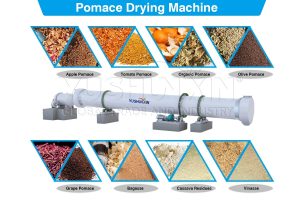
Fruit pomace from apple juice, grape wine, citrus juice, and berry processing represents one of the most common high-moisture organic residues. Each pomace type offers different advantages for fertilizer production. Apple pomace contains pectin and fiber that improve soil conditioning. Grape pomace carries minerals and polyphenols that support nutrient release. Citrus pomace offers organic acids that enhance microbial activity during composting. However, all pomace types share the same challenge: moisture levels above 80–90% make direct application impossible. When industries apply dehydration or initial dewatering machines, the material becomes more uniform and manageable for further compost preparation. At this stage, the waste transitions from a disposal problem into a controlled raw material for organic fertilizer production.

Pomace Dryer
Pomace Dryer

How Does the Drying Process Improve the Quality of Fertilizer Raw Materials?

The water content inside pomace strongly influences fertilizer preparation. If fruit waste remains too wet, the composting cycle becomes unstable, the microbial balance shifts, and undesirable odors develop. Effective drying procedures, however, regulate moisture and allow stable compost techniques. When pomace passes through a designed pomace dryer, operators achieve moisture reduction from above 70–80% down to 10–15%. This exact drying process transforms fruit pomace into a material suitable for granulation or pelletizing. The improvement in storage stability, shelf life, and microbial safety guarantees that fertilizer manufacturers can plan production without interruptions. In addition, controlled drying also prevents nutrient leaching, which ensures higher fertilizer quality in the final granule or pellet form.


Which Machines Support the Step-by-Step Water Reduction System?

Fruit pomace requires a staged process that gradually lowers water content. In many production lines, a dewatering machine reduces initial moisture from over 90% to about 65–70%. Afterward, composting equipment stabilizes the organic matter and begins the breakdown of fibers and sugars. A pomace dryer then plays the central role by applying hot air or indirect heating designs to reduce moisture further to around 10–15%. Finally, a wet granulator or pelletizer transforms the dried material into uniform fertilizer granules or pellets. Across these four stages—dewatering, composting, drying, and granulating—the pomace changes from unstable fruit waste into a stable fertilizer preparation. Each machine contributes to the overall production system, but the pomace drying equipment provides the most decisive effect on quality and efficiency.


Why Does a Reliable Pomace Dryer Create Higher Efficiency in Fertilizer Production?

A well-designed pomace drying machine ensures consistent results. The dryer improves energy utilization by applying a controlled airflow system, uniform heating chamber, and adjustable residence time. As a result, industries save energy costs and reduce operational risks. The moisture reduction procedure also reduces the need for chemical additives, which helps fertilizer manufacturers maintain organic certification standards. When pomace leaves the dryer with the right particle structure, granulation machines can operate more smoothly, producing uniform fertilizer pellets or granules. The entire organic fertilizer production line benefits because the drying process defines both material flow and final product quality.


Conclusion

Fruit pomace and other moist residues no longer remain waste when industries apply structured production procedures. Through dewatering, composting, drying, and granulating, pomace turns into stable fertilizer granules and pellets that support sustainable agriculture and environmental safety. Among these stages, the pomace dryer holds a key position in water reduction and quality assurance. Companies searching for dependable drying technology can consider solutions from a professional drying equipment manufacturer—Yushunxin—whose expertise in pomace dryer systems ensures efficiency, stability, and long-term value in organic fertilizer production. You can visit: https://www.fertilizerdryer.com/pomace-drying-machine/
What Are the Challenges in Drying Pomace for Fertilizer Manufacture and How to Overcome Them?

As industries seek sustainable solutions for organic waste, the transformation of pomace—such as fruit and vegetable residues—into high-quality organic fertilizer presents a promising opportunity. However, the procedure for pomace drying introduces several technical challenges. Understanding these obstacles and selecting appropriate drying machinery can significantly improve the efficiency and quality of fertilizer manufacture.


What Types of Pomace and Organic Wastes Are Suitable for Fertilizer Granulation and What Benefits Do They Offer?

Different industries generate diverse forms of high-moisture organic waste, including apple pomace from juice processing, grape marc from wineries, olive residue from oil extraction, and vegetable pulp from food manufacturing. These raw materials typically exhibit moisture contents above 85%, which poses a challenge for direct use in fertilizer granulation or pelletizing processes. In addition, the composition of pomace can vary, affecting the nutrient profile and physical properties of the resulting organic fertilizer particles.

Each sector benefits from converting pomace into fertilizer: the fruit juice industry can reduce disposal costs, the wine industry can decrease environmental impact, and vegetable processors can achieve resource recycling goals. Pomace fertilizer production uses granulation, pellet making, and composting procedures to turn waste into valuable products for soil improvement and crop support. The proper preparation and granulating of organic fertilizer from pomace not only addresses waste management but also closes the loop in agricultural and food manufacturing systems.

Pomace Dryer
Pomace Dryer

What Are the Main Obstacles in Pomace Water Reduction for Fertilizer Pelleting and How Can You Address Them?

The transformation of wet pomace into stable, storable fertilizer granules or pellets involves overcoming significant challenges in moisture reduction. Pomace often arrives with moisture levels above 90%, which hinders direct composting, granulation, or pelletizing and risks causing microbial spoilage during storage. Additionally, excessive water content in the granulating stage can lead to clumping, poor particle shape, and low mechanical strength in the finished fertilizer pellet or granule.

To address these issues, a systematic approach to water removal is required. The process generally consists of four main stages: dewatering with a mechanical dewatering machine to rapidly lower surface moisture; composting to stabilize organic matter and further evaporate water; wet granulation or pelletizing with a granulator or pelletizer to form initial particles; and precision drying with a specialized pomace drying machine to reach final moisture levels below 10%. Each step ensures the organic fertilizer production process delivers uniform, durable, and easily storable granules, meeting industry requirements.


How Do Drum Dryers and Other Key Machines Contribute to Efficient Pomace Fertilizer Production?

To optimize moisture reduction in pomace fertilizer manufacturing, the selection of reliable machinery, especially for drying, plays a crucial role. Drum dryers offer continuous, efficient water removal from granulated or composted pomace, ensuring consistent final moisture content. Their robust design handles a variety of pomace materials and particle sizes, supporting both small-scale pellet making systems and large-scale granulation lines.

In addition to the drum dryer, essential equipment such as dewatering machines and compost turners prepares the pomace for subsequent granulation. Wet granulators or pelletizers shape the organic waste into granules or pellets suitable for fertilizer application. Together, these machines form an integrated system for pomace fertilizer production, maximizing throughput and product quality during each stage of the process.


What Practical Solutions Help Overcome Drying and Granulation Challenges in Pomace Fertilizer Manufacturing?

A comprehensive pomace fertilizer production process must balance energy usage, product uniformity, and operational reliability. Proper machine selection, such as choosing a high-efficiency drum dryer, directly affects drying speed, moisture control, and granule quality. Integrating dewatering and composting steps before granulation or pellet making further optimizes water reduction and organic matter stabilization.

Many industries rely on professional drying equipment manufacturers to customize solutions for their organic fertilizer granulation or pelletizing needs. For example, a system designed by Yushunxin offers robust drum dryer machinery and supporting equipment for pomace drying, ensuring effective water reduction at every stage. By addressing each technical challenge—dewatering, composting, granulation, and drying—industries can achieve cost-effective, sustainable fertilizer manufacturing from high-moisture pomace.


Conclusion

In summary, pomace fertilizer production presents multiple moisture reduction challenges, from dewatering and composting to granulation and drying. Selecting and integrating advanced drying machines, particularly drum dryer equipment, enables efficient transformation of wet pomace into high-quality fertilizer pellets or granules. By implementing a well-designed procedure, industries ensure consistent product performance and contribute to a circular economy. For tailored solutions in pomace drying and organic fertilizer manufacturing technology, a professional equipment manufacturer like Yushunxin offers reliable support and expertise. You can visit: https://www.fertilizerdryer.com/pomace-drying-machine/