How Does Granulation Machinery Improve the Production of Carbon-Based Fertilizer from Chicken Manure?

Carbon-based fertilizer production from chicken manure gains increasing attention due to its effectiveness and environmental benefits. The integration of advanced granulation machinery into the production process significantly improves both the efficiency and quality of carbon-based fertilizers. This blog will explore the key procedures and machinery involved in converting chicken dung into value-added powdery and granular fertilizers, focusing on how granulation plays a crucial role in the transformation.


What Raw Materials Can You Use for Carbon-Based Fertilizer Production from Chicken Manure?

The selection of raw materials directly influences the quality of carbon-based fertilizer. Chicken manure, also known as bird dung, becomes an ideal primary ingredient due to its high organic content and nutrient density. Producers often combine chicken manure with crop straw, sawdust, rice husks, or biochar to enhance the carbon content. This mixture ensures the production of powdery or granular fertilizers with balanced nutrients and organic matter.

You can also use other agricultural wastes, such as corn cobs, peanut shells, or even green waste, in the preparation process. Each type of raw material offers unique carbon sources, which, when processed together, help regulate moisture, carbon-to-nitrogen ratio, and particle size distribution. The initial processing stage usually involves crushing and mixing these raw materials to achieve a uniform powder suitable for carbonization and further granulation.

Organic Fertilizer Raw Materials


How Does Granulation Machinery Optimize Chicken Manure Carbon Fertilizer Processing?

Modern granulation equipment plays a pivotal role in the transformation of chicken dung into premium carbon-based fertilizer granules. The granulation process typically follows the carbonization of powdered chicken manure. Carbonization equipment, such as a furnace, converts the mixture into high-carbon powder, which then undergoes further refining through a crushing machine or carbon fertilizer grinder.

Advanced granulators, including disc granulators, drum granulators, flat die granulators, or double roller extrusion granulators, enable the consistent shaping of powdery carbon-based materials into uniform granules or pellets. These machines allow precise control over particle size, density, and moisture content, all crucial for the stable storage, transport, and application of carbon fertilizer. The inclusion of a pelletizer or ball making machine minimizes dust, enhances granule strength, and improves nutrient release efficiency.

Additionally, the entire production line often incorporates supporting equipment, such as compost machines for pre-fermentation of chicken manure, drying machines for moisture removal, and automatic packing machines for efficient packaging. By integrating these machines, you ensure a streamlined procedure from raw material preparation through pellet making to finished fertilizer products.

biofertilizer granulators.

What Advantages Can You Achieve from Upgraded Granulation and Production Procedures?

The adoption of specialized granulation machinery in carbon-based fertilizer production from chicken manure leads to multiple advantages. Firstly, the granulation process reduces the inherent odor and pathogens in bird manure, resulting in hygienic, easy-to-handle granules. Secondly, the resulting carbon fertilizer granules or pellets exhibit enhanced physical properties, including improved strength, uniformity, and flowability. These features contribute to easier transportation, storage, and mechanical application.

In addition, the tailored granulation procedures enable precise nutrient retention and slow-release characteristics, making the fertilizer more effective for various soil types. The use of powder to granule technology also increases the commercial value and market competitiveness of the final product, setting it apart from traditional powdered or unprocessed chicken dung fertilizers.


Conclusion

In summary, the efficient processing of chicken manure into high-quality carbon-based fertilizers relies on a comprehensive production line featuring advanced powder crushing, carbonization, and granulation machinery. This modern equipment transforms raw bird dung into standardized powdery and granulated products suitable for the fertilizer market. For those seeking a reliable partner in fertilizer equipment, Yushunxin stands out as a professional manufacturer offering complete solutions—ranging from carbonization equipment and crushing machines to specialized granulators—that elevate the production process and ensure consistent, high-value carbon-based fertilizer output. You can visit: https://www.charbasedfertilizermachine.com/product/chicken-dung-and-biochar-as-fertilizer/

Integrating Equipment for Efficient Chicken Manure Carbon-Based Fertilizer Granulation

Granulating carbon-based fertilizer from poultry dung, particularly chicken manure, has become a practical approach for efficient organic waste recycling and soil enrichment. Successful production of carbon-based fertilizers from bird manure requires specific equipment and carefully selected materials. Understanding the right machinery and raw materials ensures efficient granulation, consistently high-quality granules, and effective nutrient release for agricultural use. This blog explores the key equipment necessary for the procedure of granulating carbon-based fertilizer from chicken dung, along with suitable raw materials and notable machine features.

What Raw Materials Work Best for Carbon-Based Fertilizer Granulation from Chicken Manure?

Selecting proper raw materials remains crucial in the preparation of carbon-based fertilizer using chicken manure. Fresh or aged chicken dung provides abundant nitrogen and organic matter, making it an ideal core ingredient. Blending powdered crop residues, such as straw or corn stalks, with bird manure helps adjust carbon-nitrogen ratios. Additionally, adding biochar or carbonized sawdust increases the carbon content, creating a suitable base for carbon-based fertilizer production.

Some producers incorporate powdered animal waste from other livestock, such as cow or pig manure, to diversify microbial populations and nutrient profiles. To optimize granule hardness and prevent caking, lime powder or clay may be included during the granulating process. Each raw material must undergo thorough pretreatment, such as composting and drying, to ensure powdery texture and prevent pathogens before entering the granulation line. The mixture of chicken manure, biochar, and supplementary materials directly influences the quality and efficiency of fertilizer pellet making.

Organic Fertilizer Raw Materials

Which Machinery Is Essential in the Chicken Dung Carbon-Based Fertilizer Production Procedure?

Several types of machinery perform key roles throughout the carbon-based fertilizer production process from poultry dung. The initial step involves carbonization equipment, such as a carbonization furnace, which transforms raw plant biomass or manure into biochar. This step boosts carbon content in the final fertilizer product. Following carbonization, a crushing machine or carbon fertilizer grinder machine for sale pulverizes carbonized materials and chicken dung into fine, powdery particles for blending.

During the granulation stage, manufacturers employ a granulator or pelletizer to shape the prepared powder into uniform granules. Common choices include a disc granulator, flat die granulator for char-based fertilizer, double roller extrusion granulator, drum granulator, or new type organic fertilizer granulator. Each type of granulator offers unique advantages in terms of capacity, particle size, and adaptability to different formulations.

biofertilizer granulators.

Subsequently, a drying machine removes excess moisture from the granules, improving storage stability. For larger scale operations, a compost machine assists in the initial fermentation of chicken manure, ensuring pathogen control and enhanced nutrient release. Finally, a packing machine measures and packs the finished fertilizer pellets or granules into bags for storage and transport. These combined machines form a complete carbon-based fertilizer granulating production line for chicken dung processing.

What Are the Key Features to Consider When Selecting Chicken Manure Granulating Equipment?

Choosing suitable equipment for chicken manure-based carbon fertilizer granulation requires careful attention to specific machine features. Durability ranks highly; stainless steel construction in granulators and mixers ensures longevity despite corrosive conditions. Equipment should offer adjustable speed and granule size settings to accommodate different powdery formulations and achieve desired particle sizes.

Uniformity of granule shape and size directly affects fertilizer application efficiency, so machines with precise control systems are preferable. Safety features, such as airtight seals on carbonization furnaces and dust control systems in crushing machines, protect workers and improve the environment around the production facility. Easy maintenance access and automated controls help reduce downtime and operating costs.

Energy efficiency and compatibility with various raw materials, including powdered chicken dung, charcoal powder, and organic additives, broaden the production options. Machines that allow flexible adjustments for pellet making or ball making offer greater value in the modern fertilizer industry.

Conclusion

Carbon-based fertilizer production from poultry dung relies on a well-selected combination of raw materials and advanced granulating machinery. Producers benefit from integrating carbonization equipment, crushing machines, granulators or pelletizers, and related processing devices within a streamlined procedure. These investments support efficient chicken manure processing and consistent, high-quality fertilizer granules. Leading manufacturers, such as Yushunxin, offer professional equipment solutions tailored for carbon-based fertilizer granulation from bird manure, enabling clients to optimize their production lines and achieve superior results. You can visit: https://www.charbasedfertilizermachine.com/product/chicken-dung-and-biochar-as-fertilizer/

How to make composted chicken manure pellets

Composted chicken manure pellets are an excellent organic fertilizer that provides essential nutrients to plants, improves soil structure, and promotes overall soil health. This guide will take you through the process of making these nutrient-rich pellets, ensuring a sustainable and eco-friendly approach to gardening.

Materials Needed: Before diving into the process, gather the following materials:

  1. Chicken Manure: Collect well-aged chicken manure to ensure proper decomposition.
  2. Carbon-rich Materials: Include dry leaves, straw, or shredded newspaper to balance the carbon-to-nitrogen ratio.
  3. Composting turners: Choose a well-ventilated composting turner to facilitate the composting process.
  4. Aeration Tools: Forks or turning tools to aerate the compost pile.
  5. Water Source: Maintain moisture levels by having access to water.

Step 1: Collection of Chicken Manure:

Begin by collecting chicken manure from a well-maintained coop. Ensure that the manure is free from contaminants and has been properly aged. Fresh manure may contain harmful pathogens, so allowing it to decompose is crucial.

Step 2: Creating the Compost Pile:

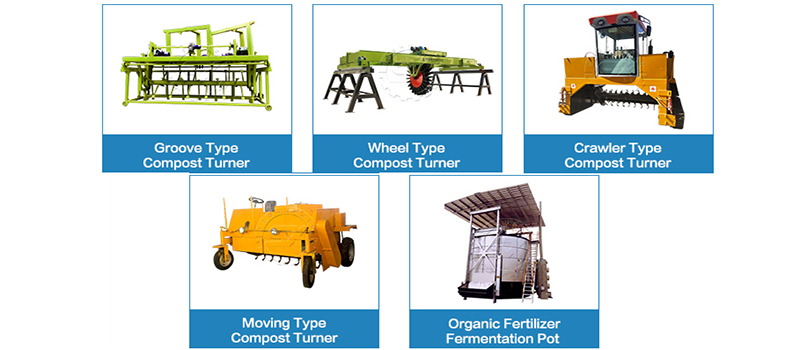
In your composting bin, layer the collected chicken manure with carbon-rich materials. Aim for a balanced ratio of approximately 25-30 parts carbon to 1 part nitrogen (chicken manure). This helps prevent the pile from becoming too acidic. There are two types of windrow composters for your choice  in compost piles.

Step 3: Turning and Aeration:

Regularly turn the compost pile using a fork or turning tool. This promotes aeration, allowing microbes to break down the organic matter effectively. Ensure that the compost remains moist but not waterlogged. If you want to compost working together aeration fermentation, organic fertilizer fermentation tank machinery is the best choice for you.

Step 4: Monitoring Temperature:

Composting generates heat as a byproduct of microbial activity. Monitor the internal temperature of the compost pile regularly. The ideal temperature range is between 130°F to 150°F (54°C to 66°C). This ensures the destruction of pathogens and weed seeds.

Step 5: Curing Process:

Once the compost pile cools down and reaches ambient temperature, it’s time for the curing process. This typically takes a few weeks. During this phase, beneficial microorganisms continue to work, enhancing the nutrient content of the compost.

Step 6: Pellet Formation:

After the curing process, the composted chicken manure can be formed into pellets for convenient application. Use a pelletizing machine or shape them by hand. The pellets should be small enough for easy spreading yet large enough to prevent rapid decomposition.

Step 7: Storage and Application:

Store the composted chicken manure pellets in a cool, dry place. When ready to use, apply the pellets to the soil surface or incorporate them into the planting hole. These pellets release nutrients gradually, providing a sustainable and long-lasting fertilizer for your plants.

Conclusion:

Making composted chicken manure pellets is a rewarding and eco-friendly practice that benefits both your garden and the environment. By following these steps, you can create a nutrient-rich fertilizer that promotes plant growth, enhances soil fertility, and contributes to a more sustainable gardening approach. If you want to make other organic fertilizer production line, we can also offer for you.

Chicken Manure Processing Equipment

Chicken manure processing equipment refers to machinery and systems designed to handle and convert chicken manure into organic fertilizer, compost, or bioenergy. Proper processing of chicken manure is essential for chicken farm waste management, environmental sustainability, and the production of nutrient-rich soil amendments. Here are some common types of chicken manure processing equipment:

Chicken manure fertilizer production line design

Manure Separators

Manure separators are used to separate solids from liquids in chicken manure. This process can help in producing liquid fertilizer, which can be applied through irrigation systems, and solid matter that can be used for composting or drying.

Manure Drying Machines

Manure drying machines are used to reduce the moisture content of chicken manure, which makes it easier to handle and store. The dried manure can be used directly as fertilizer or processed further.

Manure Composting Machines

Composting equipment is used to mix and aerate chicken manure along with other organic materials to speed up the composting process of chicken manure. This results in high-quality compost that can be used to improve soil fertility of N, P, K.

Manure Pelletizing Machines

Pelletizers are used to compress dried chicken manure into pellets or granules. These pellets are easier to transport, store, and apply as fertilizer. Click here to learn more.

Manure Bagging Machines

Bagging machines are used to package processed chicken manure into bags for easy distribution and sale.

Manure Conveyor Systems

These systems are used to transport chicken manure within a processing facility, from one machine to another.

Odor Control Systems

These systems are crucial to mitigate the strong odor associated with chicken manure processing. They may include biofilters, scrubbers, or other odor-reducing technologies.

Chicken manure fertilizer granules production

Safety and Monitoring Equipment

To ensure safe operation, it’s important to have monitoring systems and safety equipment in place to manage factors like temperature, moisture levels, and gas emissions.

When choosing chicken manure processing equipment, consider factors such as the scale of your operation, available space, budget, and the specific end-products you want to produce. Additionally, compliance with environmental regulations and sustainable practices is essential to minimize the environmental impact of chicken manure processing. It’s also advisable to consult with experts or suppliers in the field to select the right equipment for your needs. Here, https://www.manuremanagementplan.com/chicken-waste-processing-machine/ is an ideal site for reference.

How can you make fertilizer from animal manure

Animal manure is a valuable resource that can be transformed into nutrient-rich fertilizer through various processes. By harnessing the power of decomposition and biological activity, farmers and gardeners can effectively recycle animal waste and create a sustainable solution for enhancing soil fertility. The following passage explores the steps involved in converting animal manure into fertilizer.

Diffierent types of wet granulation machine for sale

The process of making fertilizer from animal manure begins with the collection and storage of the waste. Farmers often accumulate manure in dedicated areas, such as compost piles or manure pits, where it undergoes natural decomposition. Proper storage and management are crucial to prevent the release of harmful pathogens and odors into the environment.

To initiate the decomposition process, the manure pile is typically mixed with other organic materials, such as straw, hay, or crop residues. This combination helps balance the carbon-to-nitrogen ratio and encourages the growth of beneficial microorganisms. These microorganisms, including bacteria, fungi, and earthworms, play a vital role in breaking down the organic matter and converting it into usable nutrients.

Fertilizer composting machine for sale

Regular turning or mixing of the manure pile is essential to promote oxygenation and create an aerobic environment. Adequate oxygen levels facilitate the activity of aerobic microorganisms, which decompose the organic matter more efficiently. Turning the pile also helps distribute moisture evenly and prevents the formation of anaerobic zones that can produce unpleasant odors.

Over time, the decomposition process generates heat, which contributes to the breakdown of complex organic compounds and kills off potential pathogens. It is important to monitor the temperature of the manure pile to ensure that it reaches and maintains temperatures within the optimal range for microbial activity. Generally, temperatures between 120 to 160 degrees Fahrenheit (49 to 71 degrees Celsius) are considered ideal for effective decomposition.

As decomposition progresses, the pile gradually transforms into a dark, crumbly material known as compost. Compost is rich in essential nutrients such as nitrogen, phosphorus, and potassium, making it an excellent organic fertilizer. It also improves soil structure, enhances moisture retention, and promotes beneficial microbial activity, ultimately benefiting plant growth and overall soil health.

Once the composting process is complete, the resulting material can be applied directly to the soil. It can be spread evenly across the fields or incorporated into planting holes or rows. This application method allows the nutrients in the compost to gradually release and become available to plants over time.

However, it’s important to note that the application of raw or uncomposted animal manure can have adverse effects. Fresh manure contains high levels of nitrogen and ammonia, which can burn plants and leach into groundwater if not properly managed. Composting not only eliminates pathogens and weed seeds but also helps stabilize nutrient levels, making the fertilizer safe and effective.

In conclusion, animal manure can be converted into nutrient-rich fertilizer through the process of composting. By harnessing the power of decomposition and the activity of beneficial microorganisms, farmers and gardeners can transform waste into a valuable resource. Composting animal manure not only produces a sustainable fertilizer but also improves soil health, enhances plant growth, and minimizes environmental pollution. With proper management and application, this organic fertilizer can contribute to sustainable agricultural practices and promote a more eco-friendly approach to farming.

Now, check our website to buy an organic fertilizer processing plant and start your fertilizer business!

Poultry Manure Fertilizer Machine

chicken manure composting machine

Chicken manure is an abundant and valuable source of nutrients for soil and plants. However, if not managed properly, it can also pose a significant environmental threat. One of the most effective ways to turn chicken manure into a valuable resource is through composting. A chicken manure composting machine is an essential tool for farmers and gardeners looking to transform chicken manure into a nutrient-rich soil amendment.

The Installation Site of Our Groove Type Compost Turner

A chicken manure composting machine is a piece of equipment that accelerates the decomposition of chicken manure by providing the ideal conditions for microbial activity. The machine can handle large volumes of manure, which is important for commercial poultry operations, where chicken manure is generated in large quantities. There are several types of chicken manure composting machines available on the market, including windrow composting systems, in-vessel composting systems, and static pile systems.

Windrow composting systems are the most common type of chicken manure composting machine. They consist of long, narrow piles of chicken manure that are turned periodically to provide oxygen to the microorganisms responsible for decomposition. The piles are typically 3 to 5 feet high and 10 to 12 feet wide. The machine used for turning the piles can be a tractor with a bucket loader or a specialized windrow turner. Windrow composting systems are relatively simple and inexpensive, but they require a large amount of land and labor to operate.

Three Trenches in Composting Manure

In-vessel composting systems are a more advanced type of chicken manure composting machine. They consist of enclosed containers or vessels that provide optimal conditions for microbial activity, such as temperature, moisture, and oxygen. The vessels are equipped with sensors and controls that monitor and regulate the composting process. In-vessel composting systems are more efficient than windrow composting systems, as they require less land and labor, and they produce a higher quality compost. However, they are also more expensive and require a higher level of technical expertise to operate.

Static pile systems are another type of chicken manure composting machine. They consist of a large pile of chicken manure that is left to decompose on its own, without turning or aeration. Static pile systems are the simplest and least expensive type of composting system, but they are also the slowest and produce the lowest quality compost.

Regardless of the type of chicken manure composting machine used, there are several key factors that are critical for a successful composting process. First, the carbon-to-nitrogen ratio (C:N ratio) of the chicken manure must be balanced. A C:N ratio of around 25:1 is optimal for composting, as it provides the necessary nutrients for microbial activity without causing the compost to become too acidic or alkaline. Second, the moisture content of the chicken manure must be carefully controlled, as excessive moisture can lead to anaerobic conditions that produce odors and harmful gases. Third, the temperature of the composting pile must be monitored and regulated, as the optimal temperature range for microbial activity is between 131°F and 150°F.

Thermometer Monitoring Temperature in the Trench

In addition to these key factors, there are several other best practices that should be followed when composting chicken manure. These include using a cover material, such as straw or sawdust, to help control moisture and odor; avoiding composting materials that may contain harmful pathogens or contaminants, such as animal carcasses or pesticides; and properly curing the finished compost before use to ensure that it is fully stabilized and safe for plants.

In conclusion, a chicken manure composting machine is an essential tool for farmers and gardeners looking to turn chicken manure into a valuable resource. By providing the ideal conditions for microbial activity, these machines can accelerate the decomposition of chicken manure and produce a nutrient-rich soil amendment that can be used to improve soil

You can check our website for more about the working principle of our chicken manure composting machine !

Chicken Manure Composting Machine

Chicken Manure Processing Plant

An incredible piece of technology called the Chicken Manure Processing Plant turns wasted chicken manure into a highly effective and potent organic fertilizer. This chicken manure organic fertilizer production line not only has the capacity to help reduce the amount of waste created by the poultry industry, but it also provides an incredibly valuable resource for farmers, gardeners, and landscapers alike.

The first steps in the production process are the collection of the chicken manure and subsequent processing with a number of techniques to produce a fertilizer rich in nutrients. The production line produces organic fertilizer that may be used to increase soil fertility because it is rich in vital nutrients needed for plant health and growth.

Chicken Manure Composting Machine in SX Chicken Waste Treatment Plant

How Does Chicken Manure Processing Plant Work

A processing facility for chicken manure is an amazing piece of equipment that can turn unprocessed chicken dung into something worthwhile. The collection of the chicken coop’s dung marks the beginning of the procedure. Then, this manure is added to a mixer, where it is blended with additional substances like water, enzymes, and/or additives to make a combination. The organic material in this combination is then put into a digester, where it is broken down by intense heat and pressure.

The material is transported from the digester to a separator that divides the solid waste from the liquid waste. The liquid waste is further processed through a filter to remove the smaller particulates. Once the liquid waste is filtered, it can be used as a fertilizer.

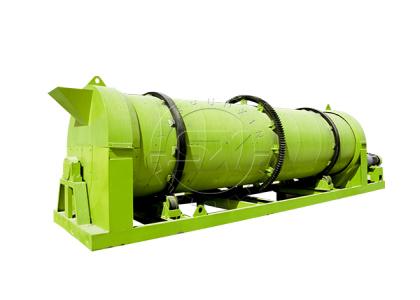
Rotary drum stirring manure granulating machine for organic fertilizer production line

Benefits of Using a Chicken Manure Processing Plant

If you are looking for a way to turn chicken manure into a beneficial resource, then you should consider investing in a chicken manure processing plant. The benefits of using such a system are numerous, from improved soil fertility to increased profitability. Here are just a few of the potential advantages of investing in a chicken manure processing plant:

  • Improve Soil Fertility: Composting chicken manure helps to break down the organic matter, creating a nutrient-rich soil amendment that can be used to fertilize a variety of crops. This can lead to increased yields and improved overall soil quality. Additionally, composting chicken manure can help to reduce the levels of potentially harmful pathogens found in the manure.
  • Reduce Waste and Odors: Chicken manure is notoriously smelly, and this can cause a number of problems for businesses and nearby residential areas. With a chicken manure production plant, all of the waste can be processed into a nutrient-rich compost, which can be used for fertilizer and soil amendment.
  • Cost Savings: Fertilizer production is a costly endeavor, but the use of a chicken waste treatment plant can help to reduce many of the associated costs by utilizing existing resources. This can be especially beneficial for smaller operations with limited resources.
  • It’s An Efficient Way to Recycle Organic Waste: Chicken manure processing plants allow you to turn your organic waste into a valuable resource while also reducing the amount of waste that ends up in landfills.
  • Organic Fertilizer Production: Processing chicken manure through a plant allows you to create an organic compound fertilizer that is free from chemicals, pesticides, and other contaminants. This fertilizer is great for gardens, lawns, orchards, and other agricultural areas. If you want to process your chicken manure, please feel free to contact us! https://organicfertilizerproductionline.com/chicken-manure-organic-fertilizer-production-line/