Top 3 Machines for Making Round Compost Fertilizer Pellets

Compost fertilizer is a sustainable and effective way to nourish plants while promoting environmental health. The production of compost pellets requires precision and the right machinery to ensure uniformity, quality, and effectiveness. 3 essential machines for manufacturing round compost fertilizer pellets are the disc granulator, rotary drum granulator, and fertilizer polishing machine. These machines simplify the process and ensure the final product meets the required standards.

1. Disc Granulator

The disc granulation machine, also known as the pan granulator, is one of the most commonly used machines in fertilizer pellet production. This equipment features a circular disc with an inclined angle, which helps in the formation of round pellets by rotating and agitating the compost material. As the material is fed into the machine, it is mixed with water or binding agents to form small granules. The rotation of the disc causes the material to stick together and form spherical compost fertilizer pellets.

This machine is highly regarded for its simplicity, energy efficiency, and capacity to produce uniform granules. It is especially ideal for compost fertilizers that require moderate pellet sizes. The adjustable angle of the disc allows for control over the granule size and the production rate, making it suitable for small to medium-scale operations.

2. Rotary Drum Granulator

The rotary drum granulator is another popular choice for producing round compost fertilizer pellets, especially when large-scale production is required. This machine features a rotating cylindrical drum that agitates the compost mixture and compacts it into granules. The compost material is continuously fed into the drum, where it is rotated at high speeds, causing friction and pressure that leads to the formation of spherical pellets.

One of the main advantages of the rotary drum granulator is its ability to handle a wide variety of materials, including organic compost, and produce large quantities of pellets with consistent quality. This machine is suitable for larger operations that require a high production capacity. Additionally, it can produce pellets with a higher density, making them more durable and longer-lasting. More details.

3. Fertilizer Polishing Machine

Once the pellets are formed, they need to be polished to improve their appearance, enhance their durability, and reduce dust production. The fertilizer polishing machine is designed to smooth out the surface of the pellets, making them rounder and more uniform. It works by tumbling the pellets in a rotating drum or chamber, where they are polished with a fine abrasive material.

Polished compost pellets are more aesthetically appealing, easier to handle, and have a lower likelihood of breaking during transportation and storage. This step is essential for improving the overall quality of the fertilizer and ensuring that the pellets have a consistent texture and size.

If you are interested in the machines, you can visit https://www.granulatedcompostsolutions.com/product/round-ball-compost-pellet-machine/

Conclusion

The disc granulator, rotary drum granulator, and fertilizer polishing machine are the top three machines used for making round compost fertilizer pellets. Each machine plays a crucial role in the production process, from forming the pellets to polishing them for enhanced quality. By utilizing these machines, manufacturers can produce high-quality, uniform compost fertilizer pellets that are perfect for sustainable agricultural practices.
Línea de producción de fertilizantes líquidos NPK

La producción de fertilizante líquido NPK es un proceso complejo y delicado que implica la dosificación y disolución de tres nutrientes básicos de las plantas: nitrógeno (N), fósforo (P) y potasio (K). El fertilizante líquido NPK se ha convertido en una de las formas de fertilizante más utilizadas en la agricultura moderna debido a su fácil absorción y rápido efecto.

En primer lugar, la producción de fertilizante líquido NPK requiere la selección de materias primas de alta calidad. El nitrógeno generalmente proviene de la urea o del nitrato de amonio, el fósforo proviene del ácido fosfórico y el potasio se obtiene principalmente del cloruro de potasio o del sulfato de potasio. Estas materias primas deben pesarse con precisión para garantizar que la proporción de N, P y K cumpla con los requisitos de formulación específicos. La proporción debe ajustarse según las necesidades del cultivo y el estado nutricional del suelo.

A continuación vienen los pasos de disolución y mezcla. Las materias primas seleccionadas deben mezclarse con agua en un tanque de mezcla especial. La calidad y la temperatura del agua son factores críticos ya que afectan directamente la solubilidad de las materias primas y la estabilidad del producto final. El proceso de mezcla generalmente se realiza con la ayuda de un agitador para garantizar una distribución uniforme de los nutrientes y evitar la sedimentación. Contáctenos

Una vez finalizada la mezcla, se pueden agregar algunos oligoelementos y agentes quelantes para mejorar el rendimiento del fertilizante. Estos aditivos pueden mejorar la eficiencia de la absorción de nutrientes por parte de los cultivos y proporcionar algunos efectos adicionales de promoción del crecimiento. Posteriormente, el fertilizante líquido debe pasar por un sistema de filtración para eliminar la materia insoluble y las impurezas para garantizar la calidad del producto.

Por último, los fertilizantes líquidos requieren control de calidad y envasado. El control de calidad incluye la medición de las concentraciones de N, P y K en el fertilizante y la verificación del pH y la densidad para garantizar que cumple con las especificaciones del producto. Es necesario utilizar materiales resistentes a la corrosión en el embalaje para evitar que el fertilizante se derrame o se deteriore durante el almacenamiento y el transporte.

En general, la producción de fertilizante líquido NPK requiere tanto tecnología científica como una estricta gestión de calidad. Este fertilizante no solo satisface las necesidades nutricionales de diversos cultivos, sino que también ofrece ventajas como su fácil aplicación y sus importantes efectos. Por lo tanto, ocupa un lugar destacado en la producción agrícola.https://www.equipofertilizantesoluble.com/producto/linea-de-produccion-de-fertilizantes-liquidos-npk/

Máquina de fertilizante líquido para peces

El equipo de fertilizante líquido de proteína de pescado es un dispositivo utilizado especialmente para producir fertilizante líquido de proteína de pescado, que se utiliza ampliamente en el campo de la agricultura moderna. Al convertir los subproductos del pescado en fertilizante líquido orgánico altamente eficiente, este equipo no solo ayuda a mejorar el rendimiento y la calidad de los cultivos, sino que también promueve el reciclaje de recursos.

Composición y principio del equipo
El equipo de fertilizante líquido de proteína de pescado consta principalmente de varias partes centrales: sistema de procesamiento de materia prima, reactor enzimático, tanque de fermentación, sistema de filtración y unidad de almacenamiento y envasado.

Sistema de manipulación de materia prima:
Responsable de limpiar y triturar los subproductos del pescado, convirtiéndolos en materias primas aptas para la hidrólisis enzimática.

Reactor enzimático:
Se utilizan enzimas específicas para descomponer la proteína del pescado en aminoácidos y péptidos pequeños, mejorando así la eficiencia de absorción y el valor nutricional del fertilizante. Visita el sitio web

Tanque de fermentación:
Proporcionar un ambiente adecuado para una mayor fermentación de los microorganismos y mejorar la actividad biológica de los fertilizantes.

Sistema de filtración:
Las impurezas se eliminan mediante filtración para garantizar la pureza y la consistencia del fertilizante.

Unidad de almacenamiento y embalaje:
El fertilizante líquido final se almacena y envasa para facilitar su venta y transporte.

A medida que la atención mundial hacia la agricultura sustentable continúa aumentando, las perspectivas de mercado para los equipos de fertilización líquida de proteína de pescado son amplias. No solo proporciona una forma eficiente y respetuosa con el medio ambiente de producir fertilizantes, sino que también promueve la utilización eficiente de los desechos agrícolas y satisface la demanda de fertilizantes verdes en la agricultura moderna.https://www.equipofertilizantesoluble.com/producto/maquina-de-fertilizante-liquido-para-peces/

How Can Powdered Carbon Fertilizer Be Made from Chicken Manure?

In recent years, the production of carbon-based fertilizers has gained significant attention due to their effectiveness in enhancing soil fertility and promoting sustainable agricultural practices. Chicken manure, a nutrient-rich organic waste from poultry farming, serves as an excellent raw material for producing powdered carbon fertilizer. Understanding how to transform chicken manure into carbon-based fertilizer involves knowing the suitable raw materials and the detailed production process. This article explores the materials and procedure involved in making powdered carbon fertilizer from chicken manure.

What Raw Materials Are Suitable for Producing Carbon-Based Fertilizer from Chicken Manure?

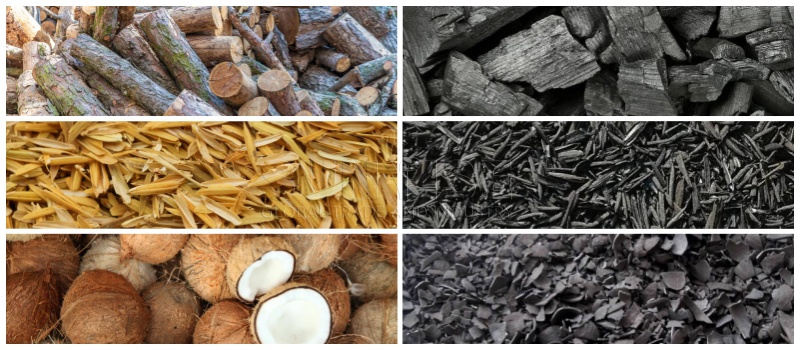
Chicken manure is an ideal raw material for carbon-based fertilizer production because it is rich in essential nutrients like nitrogen, phosphorus, and potassium. Additional raw materials that complement chicken manure include other bird manures such as duck dung, goose droppings, and turkey litter. Agricultural residues like straw, rice husks, sawdust, and corn stalks are also suitable as they are high in carbon content. Biochar, obtained from the carbonization of organic waste, can be added to enhance the carbon content and improve soil amendment properties. By combining chicken manure with these carbon-rich materials, manufacturers can create a balanced powdered carbon fertilizer that provides both nutrients and organic carbon to the soil.

Biomass waste disposal into biochar

What Is the Procedure for Making Powdered Carbon Fertilizer from Chicken Manure?

The process of producing powdered carbon fertilizer from chicken manure involves several key steps, each requiring specific equipment and careful management. Initially, the chicken manure is collected and may be mixed with other carbon-rich materials like straw or sawdust to balance the nutrient and carbon content. The mixture undergoes composting to decompose the organic matter and eliminate pathogens; this step can be optimized using compost machines that provide proper aeration and temperature control.

After composting, the material is subjected to carbonization using carbonization equipment such as a carbonization furnace. This process involves heating the organic material in the absence of oxygen to produce biochar, a carbon-rich product that enhances soil fertility. The resulting biochar is then processed using a crushing machine or carbon fertilizer grinder machine for sale, which grinds the material into a fine powder, resulting in a powdered carbon fertilizer.

continuous carbonization machine for charcoal briquette plant

Depending on the desired product form, the powdered fertilizer can be further processed using granulating equipment. Granulators, such as disc granulators, flat die granulators for char-based fertilizer, or double roller extrusion granulators, are used to form granules or pellets, making the fertilizer easier to handle and apply. After granulation, a drying machine is employed to reduce the moisture content of the fertilizer, ensuring its stability during storage and transportation. Finally, the finished powdered or granulated carbon fertilizer is packaged using a packing machine, ready for distribution and application in agricultural fields. This comprehensive procedure converts chicken manure and complementary materials into a high-quality carbon-based fertilizer.

Conclusion

Producing powdered carbon fertilizer from chicken manure involves selecting suitable raw materials and following a systematic production process. By utilizing chicken manure, bird dung, and other carbon-rich materials, and employing specialized equipment like compost machines, carbonization furnaces, crushing machines, granulators, drying machines, and packing machinery, manufacturers can create effective carbon-based fertilizers. These fertilizers not only recycle organic waste but also contribute to sustainable agriculture by improving soil health. A professional fertilizer equipment manufacturer, Yushunxin, provides the necessary machinery and expertise to facilitate this production process, supporting the development of efficient and environmentally friendly fertilizer products. You can visit: https://www.charbasedfertilizermachine.com/product/chicken-dung-and-biochar-as-fertilizer/

How to Set Up a Bio Compound Fertilizer Production Plant on a Budget


Establishing a bio compound fertilizer production plant can significantly contribute to sustainable agriculture by improving soil health and crop productivity. However, setting up such a facility can be expensive. This guide will explore cost-effective strategies to establish a bio compound fertilizer production plant without compromising quality.

Understanding the Basics

Before investing in machinery and infrastructure, it’s critical to understand the basic components of a bio compound fertilizer plant. These generally include raw material processing units, mixing equipment, granulation machines, drying and cooling systems, screening units, and packaging facilities. Click here to get more!

Budget Planning

Assessing Raw Materials

The primary cost in fertilizer production is raw materials. Opt for locally available and affordable raw materials to keep costs down. Establish contracts with suppliers to ensure the consistent availability of inputs like manure, compost, or plant waste.

Identifying Cost-Effective Production Lines

1. Small-Scale Production Line:If you are starting on a limited budget, consider a small-scale compound biofertilizer production line. Equipment such as horizontal mixers, pan granulators, and rotary dryers suitable for small production can be both cost-effective and efficient.

2. Simple Production Setup:For absolute beginners or startups, a simple production setup with fewer components can suffice. Avoid complex and costly machinery if your focus is on launching and scaling gradually.

3. Integrated Systems:Opt for integrated systems that combine multiple processes such as mixing and granulating in a single unit. This reduces both the initial investment and operational costs.

You can tell us your budget. YUSHUNXIN will recommend the most suitable bio-compound fertilizer production plan for you.

Infrastructure and Facilities

– Use existing infrastructure where possible to minimize construction costs.
– If new facilities are necessary, focus on functional designs that ensure efficient workflow and safety.
– Energy efficiency should also be a priority to keep operational costs low, considering options like solar power where feasible.

Investing in Technology

Leverage technology that enhances production efficiency but is not overly complex or costly. For instance, automated systems can be bypassed at the initial stage if manual labor is readily available and inexpensive in the region.

Efficient Management Practices

To further reduce costs:
– Opt for a location near raw material sources to lower transportation expenses.
– Implement lean manufacturing techniques to reduce waste and improve process efficiency.
– Train staff effectively to ensure high productivity levels without needing extensive supervision.

 Conclusion

By strategically planning your investment and focusing on budget-friendly yet efficient solutions, setting up a bio compound fertilizer production plant at a low cost is attainable. Start small, optimize operations, and scale progressively as demand and budget allow. Always remember that sustainability and quality should guide every decision to ensure long-term success in the fertilizer industry. Welcome to visit:https://www.biofertilizerproduction.com/product/compound-biofertilizer-manufacturing-plant/

Línea de producción de fertilizantes granulados NPK


La línea de producción de fertilizantes granulados NPK es un sistema de equipos especialmente utilizado para producir fertilizantes compuestos con tres nutrientes principales: nitrógeno (N), fósforo (P) y potasio (K). Esta línea de producción puede mezclar y granular eficazmente diversas materias primas para una fácil aplicación a diversos cultivos, mejorando su crecimiento y rendimiento.

En primer lugar, el flujo del proceso de la línea de producción de fertilizantes granulados NPK generalmente incluye pasos como pretratamiento de la materia prima, mezcla, granulación, secado, enfriamiento, cribado y envasado. La etapa de preprocesamiento de la materia prima implica el triturado y el cribado para garantizar que todas las materias primas alcancen el tamaño de partícula adecuado. A continuación, se mezclan nitrógeno, fósforo, potasio y otros oligoelementos en proporciones adecuadas utilizando una fórmula precisa. Este proceso es fundamental para la calidad del producto final, ya que una mezcla desigual provocará una distribución desigual de los nutrientes y afectará la eficacia del fertilizante.

La granulación es la parte central de la línea de producción. Los materiales en polvo mezclados se procesan en gránulos uniformes mediante diferentes granuladores, como granuladores de tambor o granuladores por pulverización. Los gránulos pierden el exceso de humedad durante el secado y enfriamiento posteriores para mejorar la resistencia y la estabilidad del almacenamiento. El secado generalmente se realiza en un secador rotatorio, mientras que el enfriamiento se logra con un enfriador.

Una vez enfriados los pellets, se envían a un equipo de clasificación para eliminar los pellets no calificados y garantizar que cumplan con las especificaciones correspondientes. Las partículas calificadas luego ingresan a la etapa de envasado, generalmente utilizando máquinas envasadoras automáticas para pesarlas y envasarlas para facilitar su transporte y venta. Visita el sitio web oficial

El diseño y la configuración de la línea de producción de fertilizantes granulados NPK se pueden ajustar según las diferentes necesidades de producción. Por ejemplo, diferentes cultivos requieren diferentes proporciones de nitrógeno, fósforo y potasio, por lo que la línea de producción debe ser flexible para responder a los cambios y poder ajustar la receta rápidamente. Además, el mayor grado de automatización también permite que las líneas de producción modernas logren una alta eficiencia y un bajo consumo de energía, reduciendo los costos de producción de las empresas.

En resumen, la línea de producción de fertilizantes granulados NPK proporciona productos fertilizantes eficientes y estables a través de un flujo de proceso avanzado y una configuración de equipos. No sólo satisface los requisitos de la producción agrícola en cuanto a calidad y rendimiento de fertilizantes, sino que también hace importantes contribuciones para aumentar el rendimiento de los cultivos y mejorar la salud del suelo.https://www.equipofertilizantesoluble.com/producto/linea-de-produccion-de-fertilizantes-granulados-npk/

Применение и преимущества зубчато-барабанного гранулятора в гранулировании угольного порошка

В производстве энергии и промышленной переработке угольный порошок является обычным сырьем. Однако из-за его порошкообразных свойств, угольный порошок может вызывать пылевое загрязнение, потери и угрозы безопасности при транспортировке, хранении и использовании. Для решения этих проблем в отрасли постепенно внедряются технологии гранулирования, превращающие угольный порошок в гранулы, чтобы повысить его эффективность и безопасность. Среди них зубчато-барабанный гранулятор, благодаря своей высокой эффективности и стабильности, стал идеальным оборудованием для гранулирования угольного порошка.

Новый-гранулятор-органических-удобрений

**Принцип работы зубчато-барабанного гранулятора**

Зубчато-барабанный гранулятор сжимает порошковый материал с помощью вращающихся шестерен и барабана. Во время работы оборудование вводит угольный порошок в гранулятор, где он подвергается сжатию и трению вращающимися шестернями, а затем, под действием центробежной силы и внешнего воздействия, превращается в равномерные гранулы. Этот метод гранулирования не только увеличивает плотность и прочность гранул, но и эффективно уменьшает образование пыли.

**Преимущества зубчато-барабанного гранулятора**

1. **Высокая эффективность гранулирования**: Зубчато-барабанный гранулятор способен за короткое время обработать большое количество угольного порошка в гранулы, значительно увеличивая производительность и удовлетворяя потребности крупномасштабного промышленного производства.

2. **Равномерность гранул**: Благодаря точному механическому дизайну и передовой технологии гранулирования, оборудование производит гранулы одинакового размера и высокой плотности, что способствует дальнейшей транспортировке и использованию.

3. **Снижение пылевого загрязнения**: Гранулированный угольный порошок значительно уменьшает распространение пыли при транспортировке и эксплуатации, улучшая рабочую среду и снижая угрозу здоровью операторов.

4. **Повышение безопасности**: Гранулированный угольный порошок более стабилен при хранении и использовании, что снижает риск взрывов и пожаров, повышая общую безопасность производства.

5. **Экономия энергии и защита окружающей среды**: Зубчато-барабанный гранулятор имеет низкое энергопотребление и производит минимальное количество отходов в процессе работы, соответствуя современным требованиям промышленности к энергосбережению и защите окружающей среды.

**Области применения**

Зубчато-барабанный гранулятор широко используется в переработке угля, производстве топлива, энергетике, металлургии и других отраслях. Его эффективность и результаты гранулирования получили признание множества пользователей, что делает его основным оборудованием для гранулирования угольного порошка.

В современном промышленном производстве эффективное и безопасное использование угольного порошка является важной задачей. Зубчато-барабанный гранулятор, благодаря своим выдающимся характеристикам и значительным преимуществам, предлагает эффективное решение. Используя это оборудование, предприятия могут добиться эффективного использования ресурсов, снизить загрязнение окружающей среды и риски безопасности, достигнув двойной выгоды – экономической и социальной.

Если вы хотите узнать больше о технических характеристиках и информации о покупке зубчато-барабанного гранулятора, пожалуйста, свяжитесь с нами. Мы с нетерпением ждем возможности предоставить вам наилучшее оборудование и услуги для вашего производства. Для получения более подробной информации посетите сайт: https://www.sxmashina.com/novyy-granulyator-organicheskikh-udobreniy/